Venturing into black bear country is one of the most thrilling outdoor activities for any hiker. From the misty ridges of the Great Smoky Mountains to dense Appalachian forests, spotting a wild black bear adds both excitement and responsibility.
Understanding black bear safety while hiking means knowing what attracts bears, how to prevent encounters, and how to respond calmly, ensuring safe, unforgettable outdoor adventures for both people and wildlife.
Understanding Black Bear Behavior in the Smokies
To hike safely in bear country, it helps to understand how black bears live and what drives their behavior, from their seasonal feeding habits to how they share territory with people.
Seasonal Activity and Feeding Patterns
Black bears are omnivorous, highly adaptable, and guided by seasonal rhythms. In the Great Smoky Mountains, their behavior changes dramatically throughout the year.
- Spring: After months of winter dormancy, bears emerge hungry, feeding heavily on tender shoots, roots, and insects.
- Summer: Food sources like berries, nuts, and fruits dominate their diet. This is when bears roam more widely and often cross hiking trails in search of calories.
- Fall: Known as hyperphagia, this period drives bears to eat nearly nonstop to build fat reserves for winter. They may feed up to 20 hours a day, explaining the spike in sightings during autumn hikes.
Understanding these natural patterns helps hikers anticipate when and where encounters are most likely to occur and how to respond appropriately.
Territoriality and Human Overlap
Black bears are typically shy and avoid humans, but conflicts occur when people enter feeding zones or leave food unsecured. In the Smokies, a bear’s territory can cover 5–25 square miles, overlapping busy trails.
As visitors increase, so do encounters. Learning to distinguish curious behavior (sniffing, observing) from defensive signs (snorting, bluff charging) prevents escalation.
The key to safety is awareness, knowing that every bear encounter is an opportunity to practice respect for wildlife rather than confrontation.
Prevention Strategies: Staying Safe Before an Encounter
Preparation is your best defense in bear country. The majority of negative encounters result from improper food storage, startling bears, or traveling alone in dense terrain.
Food Storage and Scent Management
Food is the number one reason bears approach people. Hikers and campers should always:
- Use bear-resistant canisters or storage lockers where available.
- Keep campsites clean and free of food scraps or scented items.
- Never store food in tents or vehicles without proper containment.
- Dispose of waste in designated bear-proof bins.
In many bear-heavy destinations, responsible lodging options have adopted strict food management systems to protect both guests and wildlife. The Cabins for YOU team, managing and renting properties throughout the Smokies, reports that their most effective deterrent has been installing bear-proof dumpster enclosures at least 100 feet from cabin structures.
This distance matters because a bear investigating trash won’t come near sleeping areas. Their properties also provide guests with detailed wildlife protocols upon check-in, which has eliminated food-related bear incidents across their Gatlinburg cabins over the past several seasons.”
Trail Awareness and Group Safety
Black bears tend to avoid large groups, so hiking with companions provides a natural deterrent. Making gentle noises like talking, clapping, or using bear bells signals your presence and helps prevent startling a bear at close range.
Time your hikes wisely: bears are most active around dawn and dusk, when visibility is lower. Stick to open, marked trails and avoid shortcuts through dense vegetation or berry patches where bears may be feeding.
Gear and Preparation
Before heading out, pack essential safety tools:
- Bear spray: A proven, non-lethal deterrent.
- Whistle or air horn: Useful for deterring bears from a distance.
- Trekking poles: Offer both balance and presence on the trail.
Avoid strong scents from perfumes, lotions, or deodorants that could attract a bear’s curiosity. Most importantly, read posted bear activity warnings at trailheads.
What to Do During a Black Bear Encounter
Even with the best preparation, encounters can happen. Knowing how to behave in those crucial moments can make all the difference.
Reading the Situation
A bear encounter doesn’t automatically mean danger. Most black bears are curious, not confrontational. If one notices you, observe its behavior:
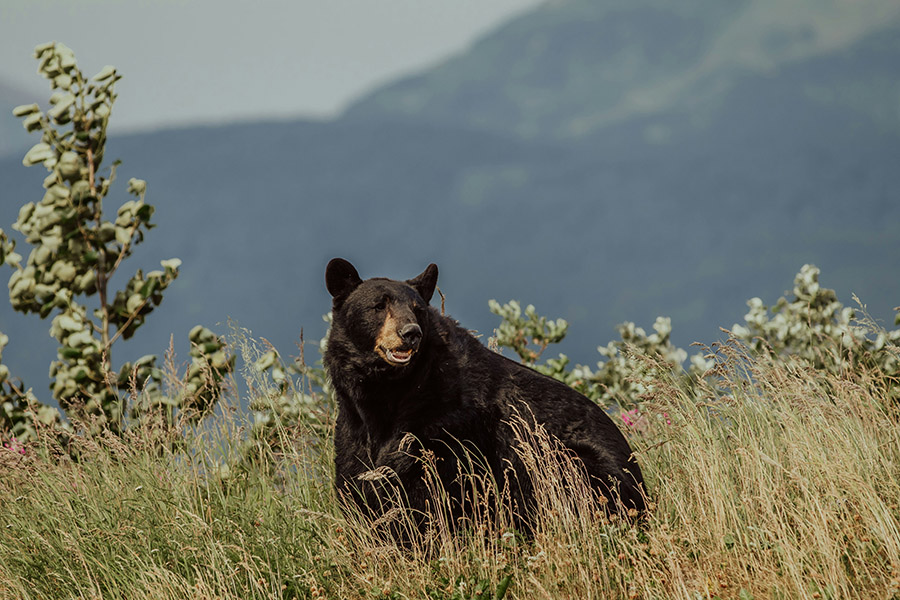
- Calm or curious: The bear may stand on hind legs, sniffing or tilting its head because it’s assessing you, not preparing to charge.
- Agitated or defensive: Huffing, popping jaws, or bluff charging (short rushes toward you) mean the bear feels threatened.
Never interpret a standing bear as aggression because it’s often trying to see or smell better. The goal is to stay composed and non-threatening.
Responding Safely
If you encounter a black bear on the trail:
- Stay calm and avoid sudden movements.
- Speak in a steady, calm voice to make your presence clear.
- Do not run, as running triggers a chase instinct.
- Back away slowly, giving the bear space to retreat.
- Use bear spray if the bear approaches within 30 feet and does not stop.
Most bears will disengage once they recognize you are human and not a threat. Maintaining eye awareness without direct staring communicates confidence without challenge.
If the Bear Approaches or Charges
Though rare, a bear may approach closer. Distinguish between:
- Defensive behavior (protecting cubs or food): Continue backing away calmly.
- Predatory behavior (stalking, following): Stand your ground, raise your arms to appear larger, and be loud.
If contact seems imminent, deploy bear spray in a wide, sweeping motion toward the bear’s face. Once it retreats, leave the area immediately and notify park rangers of the incident.
Photographing Black Bears Safely
Spotting a black bear in the wild is unforgettable, but capturing the moment safely is just as important. Before you raise your camera, remember that every photo should respect the animal’s space and natural behavior.
Respecting Wildlife Distance
Spotting a black bear in the wild is thrilling, especially for photographers. But responsible wildlife photography means keeping your distance and protecting both yourself and the animal. Stay safe and ethical:
- Keep at least 50 yards (half a football field) away, as recommended by the National Park Service.
- Use a telephoto lens or zoom to capture details without disturbing natural behavior.
- If a bear notices you, pauses, or changes direction, and you’re too close, step back quietly.
The best photos come when bears remain calm and undisturbed, allowing authentic glimpses into their wild world.
Responsible Wildlife Observation
Photographing black bears responsibly goes beyond maintaining space; it’s about minimizing your impact on the animal’s behavior and environment. Never:
- Attempt to bait or lure bears with food.
- Position yourself between a bear and its cubs or food source.
- Block a bear’s escape route for a better shot.
Instead, position yourself downwind, stay quiet, and let the scene unfold naturally. A respectful mindset transforms wildlife encounters into opportunities for education and conservation awareness rather than interference.
Sharing the Trails Safely
Hiking in bear country is about coexistence, not fear. By understanding bear behavior, respecting their space, and staying prepared, hikers turn potential risks into awe-inspiring encounters.
With calm awareness, clean camps, and safe distances, every black bear sighting becomes a reminder of nature’s balance and the privilege of sharing their wild home.