For many travelers, an African safari is the fulfillment of a lifelong dream. It’s a chance to witness majestic wildlife in vast, untamed landscapes. But behind the breathtaking sunsets and unforgettable animal encounters lies a complex and urgent reality: the relentless fight to protect these very species from extinction.
Today, a growing number of safari operators are embedding conservation directly into the travel experience through levies, transforming every guest’s journey into a direct contribution to the front lines of wildlife protection.
These conservation fees are not just an add-on. They are a lifeline for underfunded reserves and a powerful tool that channels tourism revenue into critical initiatives.
From equipping anti-poaching rangers to funding the repeated dehorning of rhinos, these funds are essential for the survival of Africa’s most vulnerable wildlife. By choosing to travel with purpose, every visitor becomes an active participant in preserving the continent’s natural heritage for future generations.
The Unseen Threat: Rhino Poaching by the Numbers
The demand for rhino horn, driven by its use in traditional Asian medicine and as a status symbol, fuels a sophisticated and violent international black market.
Despite having no scientifically proven medicinal properties, rhino horn can fetch tens of thousands of dollars per kilogram, making it one of the most valuable illicit substances on earth. This immense profitability drives criminal syndicates to orchestrate poaching operations that threaten the very existence of rhino populations.
In South Africa, home to the world’s largest rhino population, the crisis is particularly acute. Between January 1 and June 30, 2025, 195 rhinos were killed by poachers across the country. While this number represents a slight decrease from the previous year, it still averages to more than one rhino being killed every single day.
The Greater Kruger region, a vast ecosystem critical for rhino survival, remains a primary target for these criminal networks. Over a seven-year period from 2017 to 2023, poachers killed nearly 2,000 rhinos in this area alone.

A Proactive Defense: The Science of Rhino Dehorning
In the face of such a persistent threat, conservationists have turned to a proactive and controversial, yet highly effective, strategy: dehorning. The process is a masterclass in veterinary precision and teamwork. A wildlife vet tranquilizes the rhino, often from a helicopter, before the ground crew moves in.
The horn, made of keratin like human fingernails, is removed with a specialized saw just above the growth plate to prevent injury. The area is treated, a reversal drug is administered, and within minutes, the rhino is back on its feet, unharmed.
The logic is simple: remove the horn, and you remove the poacher’s incentive. A recent landmark study published in the journal *Science* confirmed the strategy’s success, finding that dehorning reduced poaching incidents by a staggering 78% in the reserves studied. However, this is not a one-time fix.
A rhino’s horn regrows continuously, requiring the procedure to be repeated every 18 to 24 months to remain an effective deterrent. This recurring need creates a significant and ongoing financial burden for reserves, making consistent funding absolutely essential.
How Conservation Levies Bridge the Funding Gap
This is where conservation levies become so important. These fees, collected as part of a safari package, provide a predictable and direct stream of revenue dedicated to wildlife protection. Instead of relying solely on unpredictable government budgets or philanthropic donations, reserves can plan and execute long-term strategies, knowing that the funds from tourism are secure.
This model creates a powerful symbiotic relationship: the wildlife that travelers come to see is directly protected by the revenue their visit generates.
On World Rhino Day, September 22, 2025, premier high-end safari experts SAFARI FRANK witnessed this model in action, contributing R150,000 toward a dehorning operation in the Greater Kruger National Park. The funds facilitated the entire process, from helicopter and vet services to the ground support teams.
Frank Steenhuisen, Co-founder and lead safari expert at SAFARI FRANK, reflected on the emotional weight of the day. He explained that while seeing a rhino without its horn is a somber sight, it is a necessary sacrifice to ensure the animal’s survival. He emphasized that this is precisely why SAFARI FRANK was founded: to make tourism a powerful force for conservation.
More Than a Horn: Equipping Anti-Poaching Units
While dehorning drastically reduces the reward for poachers, it is most effective when combined with robust anti-poaching patrols on the ground. Conservation levies also fund these frontline defenders. The work of an anti-poaching ranger is dangerous and demanding, requiring specialized equipment to patrol vast, rugged territories and confront armed criminals.
SAFARI FRANK’s commitment extends here as well, with an additional R150,000 contribution dedicated to outfitting the K9 anti-poaching unit and ranger training teams.
The needs of these units are extensive and cover everything from the basics to advanced technology.
- Personnel Equipment: This includes essentials like uniforms, durable boots, sleeping bags, and first-aid kits.
- Patrol and Surveillance Gear: Rangers rely on 4×4 vehicles, GPS devices, digital radios, night-vision goggles, and remote camera traps to monitor and protect large areas.
- Safety and Tactical Equipment: In a high-threat environment, rangers require firearms, ammunition, and other protective gear to ensure their own safety while defending wildlife.
Funding from tourism is critical for supplying these teams with the tools they need to stay one step ahead of poachers.
Your Safari, Their Survival: Traveling with Purpose
The future of Africa’s iconic species and the sustainability of safari tourism are deeply intertwined. As Frank Steenhuisen notes, without conservation, there will be no wildlife left for future generations to experience, and without tourism, the financial resources for protection would be severely diminished. Every traveler who books a safari that includes a conservation levy is making a conscious choice to be part of the solution.
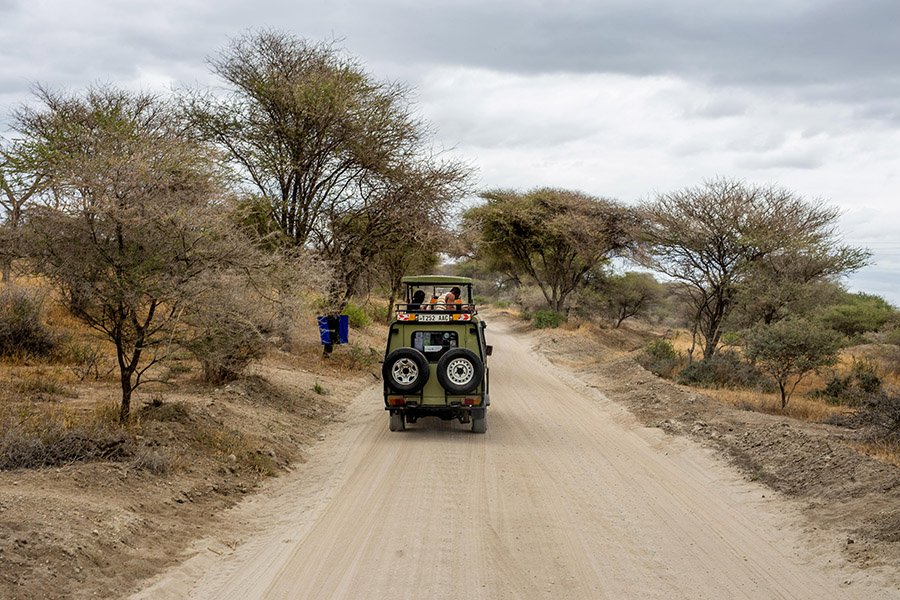
This model is at the heart of operations in many of Africa’s premier wildlife destinations. In South Africa, a safari to the Greater Kruger area allows guests to visit the epicenter of rhino conservation, staying at lodges like Ngala Safari Lodge, which are deeply involved in regional protection efforts.
In Namibia, a visit to Desert Rhino Camp in Damaraland offers a unique opportunity to track one of the last free-roaming populations of black rhino, with conservation fees directly supporting the rangers who monitor them. Further north, a journey to the Okavango Delta in Botswana, staying at properties like Duba Plains Camp, contributes to the protection of one of Africa’s most pristine wilderness areas.
Dehorning is not a permanent solution, but it buys crucial time. It allows rhino populations to stabilize and grow while broader, systemic issues like international trafficking and local poverty are addressed.
By choosing to travel with an operator that prioritizes conservation, you are not just an observer. You become a partner in a vital mission, ensuring that the wonder you experience today will endure for decades to come.
About Frank Steenhuisen
Frank is the lead safari expert at luxury safari providers SAFARI FRANK, helping travelers experience Africa’s wildlife safely and sustainably. Learn more at SAFARI FRANK.