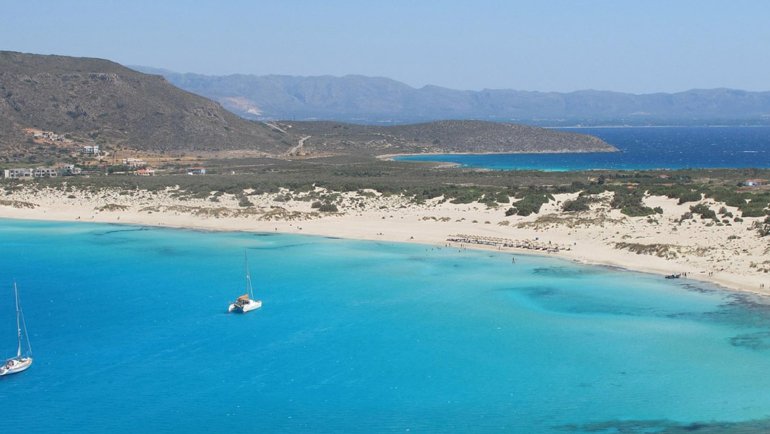
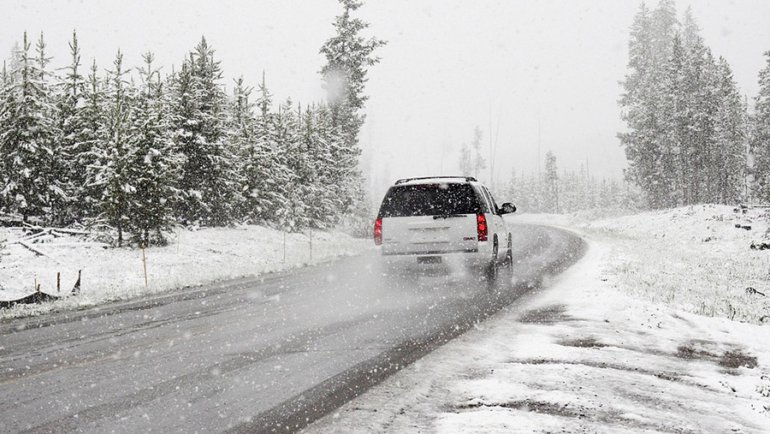
Adventure travel looks incredible in photos: wild cliffs, empty beaches, those “I can’t believe I’m here” moments we all chase. However, anyone who’s been on the road for more than a weekend knows the truth: things fall apart. Constantly, usually at the worst possible time.
Still, for some strange reason, these disasters end up becoming the stories you tell the most often. It doesn’t feel that way when everything goes sideways, of course, but give it time.
Staying Level-Headed When Plans Collapse
Your first reaction when things go wrong? Panic. It’s universal. That quick jolt of “Oh no… what now?” hits all of us. You might feel it in your chest, your stomach, your jaw tightening.
Take one breath. Actually, take three. Slow ones. It sounds trivial, but it’s an eye-opener how much clearer the world looks once your nerves settle down.
You can’t make a good decision when your brain is doing cartwheels. If you’re in doubt, some interesting studies unravel the link between stress and problem-solving.However, if you’re honest with yourself, you don’t need research to know this. You just feel it. Things click into place a little more once you pause to take a breath.
When Gear Fails or Gets Lost
If you travel long enough, something you love will break, disappear, or mysteriously stop working. It’s almost a rite of passage. A zipper tears. A stove sputters out. Your power bank dies even though you swear it was at 80%.
Then you’re standing there, annoyed, probably talking to yourself like, “Really? Today?”
Here’s the thing: most gear problems are fixable. Maybe not perfectly, but enough to keep going. Travelers are amazingly resourceful. Someone always seems to have a spare clip, a bit of tape, or some strange trick they learned in Peru that somehow fixes your problem in seconds.
Locals (especially people who deal with outdoor life every day) know how to repair things you thought were ruined. You just have to ask.

If you’ve ever watched your phone battery drop faster than your morale, you know how unnerving it feels to lose connection. Suddenly, the map app freezes, or the signal bar vanishes, or your phone decides it’s done for the day.
That sinking feeling? Yeah. Everyone gets it.
Here’s a newsflash: being out of touch isn’t automatically a crisis. It’s uncomfortable, sure, but manageable. You learn to rely on different tools: street signs, instincts, kindness from strangers, and the memory of that map you glanced at earlier.
For more guidance on why backup communication methods matter during travel, especially in remote areas, Global Rescue offers a helpful overview of emergency communication tools and strategies.A solution doesn’t need to be fancy. An old-school paper map could save you from a full meltdown.
Managing Money Emergencies on the Road
Money problems during a trip hit differently. Maybe your bank blocks your card because you bought granola in a country you didn’t warn them about. Maybe you suddenly need to replace the gear you didn’t budget for. Or maybe you just misjudged how expensive everything would be.
It happens. To everyone.
Many travellers at their wits’ end look into the best instant loan app when they’re really stuck and need funds fast. Honestly, having a backup plan feels way better than staring at your last $12 and hoping for a miracle. An almost instant influx of cash can make problems far easier to handle.
It’s about staying afloat until you can fix the situation.
Dealing With Delays, Cancellations, and Detours
Transportation chaos might be the unofficial mascot of adventure travel. Buses break down. Flights are cancelled. Border crossing lines look like a human version of eternity. And ferries? They have their own mysterious logic.
It’s annoying, yes, but often these forced pauses become weirdly meaningful. You meet people you never would’ve met. You stumble upon a tiny diner with the best soup you’ve ever tasted. You get stories you didn’t plan for, sometimes better than the destination itself.
A few things help. Like asking locals, always. They know shortcuts and alternatives that no app will show you.
Don’t fight the delay, use it. Eat. Rest. Journal. Consider it part of the trip rather than a detour from the trip.
Plans break so new ones can arrive. That’s adventure.
Staying Safe When Things Get Complicated
Well-being always comes first. Listen to your instincts in high-risk areas or when something feels “off”. Bodies often sense issues before minds do. Trust your gut.
Carry basics like a small first-aid kit, emergency contacts, and learn about where local services, such as law enforcement and emergency medical help are located. Simple steps provide reassurance.
Prioritizing safety in a high-risk area isn’t something you should think about; it’s something you should do. Turning back or rerouting shows strength. It ensures you stay safe for future adventures.

Turning Setbacks Into Part of the Adventure
Setbacks create the best stories. Smooth days fade from memory. Lost trails lead to hidden villages. Bus breakdowns spark shared moments with strangers. These events add depth and surprise.
Messy parts build heart. They bring laughter later. Perfection lacks texture.
Knowing When to Reroute or Redefine the Plan
Sometimes say “not today”. Trails may feel wrong. Bodies grow tired. Signs suggest a different path.
Adventures twist and stall. Changing plans means adapting, not quitting. Have some alternatives in mind, there’s always something new to experience.
Here are signs it’s time to shift:
- You don’t feel safe,
- You’re too drained to keep going,
- Essential gear is gone or broken,
- The delays pile up beyond reason.
Adjusting the plan protects the journey and you.
Finding Strength in the Unexpected
When everything falls apart on an adventure, it can feel like the universe is working against you. However, these moments are also where you discover your resourcefulness and your resilience. They’re those moments that you will carry with you for the rest of your life.
You learn how to stay calm, how to ask for help, how to rethink a plan, and how to keep moving even when the path looks nothing like what you imagined.
In the end? Those chaotic chapters become the ones you cherish. The ones you retell. The ones that remind you why you travel in the first place.
You don’t go on adventures because everything will go right. You go because you’re willing to face the moments when they don’t, and grow from them.