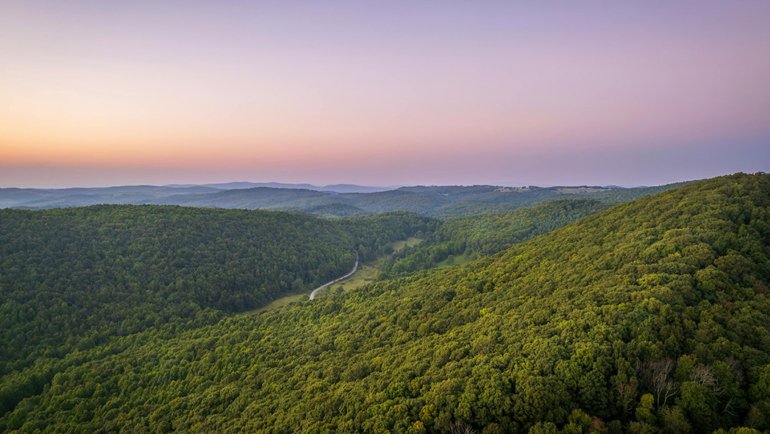
Saudi Arabia’s landscape features dramatic, rugged terrain that are primarily defined by the Sarawat and Hijaz mountain ranges running parallel to the Red Sea. They reach heights over 3,000m in the southwest and are known as the Asir region. These mountains are also characterized by deep, narrow and green valley’s such as Wadi Lajab. Mountain villages and valleys are a major part of the diverse landscape of the kingdom of Saudi Arabia.
Saudi Arabia is the kingdom which is mostly desert and due to this the weather of the kingdom of Saudi Arabia is mostly hot. The variation in the landscape such as mountains and valleys is a true gem that attracts a lot of local and tourists. There are several tourist attractions in the mountainous region of the kingdom such as the Asir National Park.
People visit this destination in in extremely hot weather as this region remains cool throughout the whole year. Muslims travelling from all around the world add these locations in their itinerary especially if they are travelling during winters or peak summers. Muslims travelling from UK can opt for Umrah packages from different cities and explore the vast landscape along with performing Umrah. The UK residing Muslims can choose Umrah package from UK or other cities of the country and explore the lush valleys and mountain peaks covered in snow.
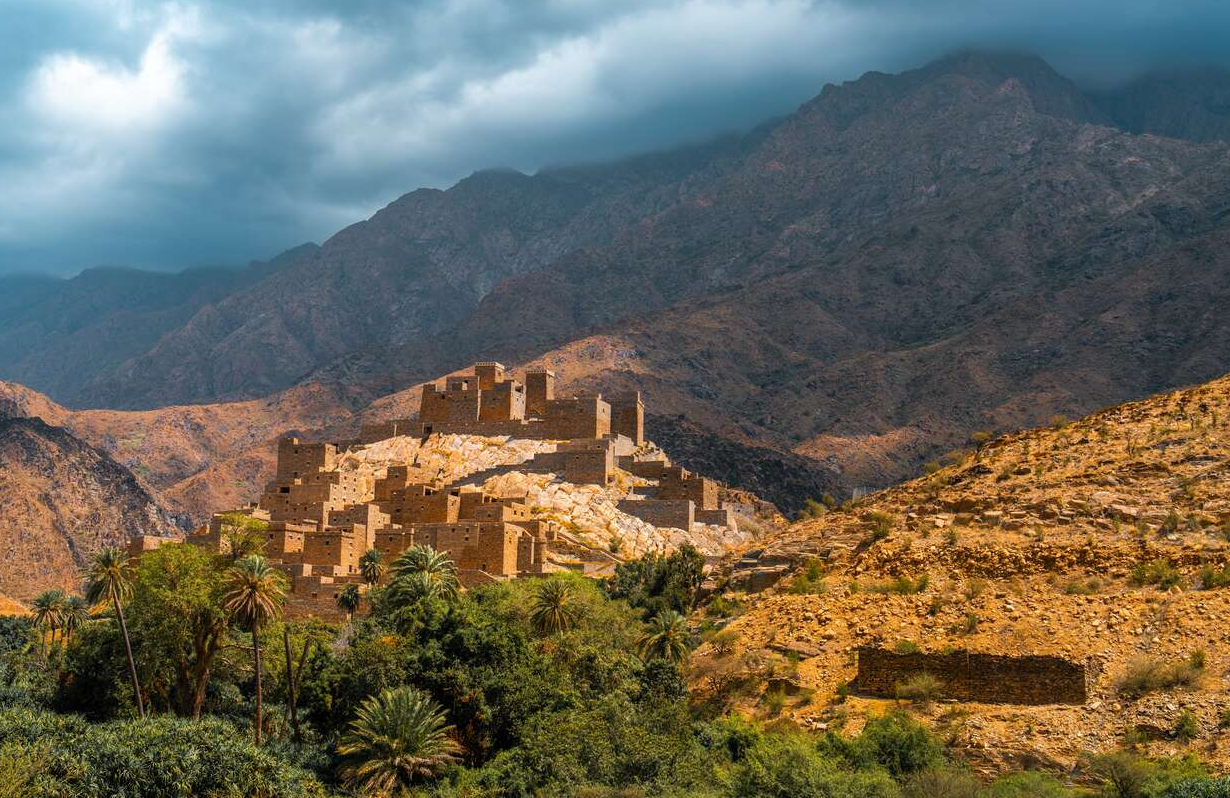
Mountain Villages in Saudi Arabia
There are several mountain villages in Saudi Arabia that not only are a scenic view of beauty and nature but also gives you an insight on the local culture and traditions of people who are residing in the mountain villages. Some of the well-known mountain villages are mentioned in the guide below.
Rijal Almaa
Saudi Arabia is home to one of the most famous mountain villages, Rjal Almaa, located in Asir. This village is known for its historic stone buildings stacked along the steep hillsides and visiting this village feels like stepping back in time. The views from here are spectacular and gives you a clear sense of the surrounding highlands.
The fall season in Asir region is the most pleasant one as the village is worth visiting with cooler temperatures and a chance to explore the local markets crafts and traditional cuisines. Visitors can stroll through the narrow streets, admire the old architecture and even hike in the nearby areas.
Habala Village
This is another gem among the mountainous regions of the kingdom of Saudi Arabia and reflects the natural beauty and heritage of the region. This village is perched on the cliffs and is only accessible via a cable lift or a quiet adventurous hike. The dramatic location of this village makes it one of the most unique Asir mountain villages. It was historically a settlement for the local tribes, but now habala offers visitors a chance to experience both culture and stunning scenery. If you want to explore the cliffside trails next year and enjoy the sweeping valley views along with your Umrah pilgrimage, you can opt for the Umrah 2027 packages and add this village into your itinerary as it is an ideal spot for combining the Saudi fall tourism with a touch of tourism.
Al Soudah Mountains
The travellers who are lovers of greenery and fresh air, must pay a visit to Al Soudah mountains. This is a part of the larger Asir National park and is ideal for hiking, picnics and simply soaking up the natural beauty. The cooler climate makes it one of the top spots for fall in Asir, especially for families and nature enthusiasts.
This region has several mountain villages that Saudi Arabia has scattered across the slopes. Each of these villages offer a unique view of the highlands, with trails leading through juniper forests and panoramic lookout points. It is also home to several eco-lodges and local guesthouses, which makes the Asir highlands tourism both comfortable and immersive.
Valleys in Saudi Arabia
The valleys in Saudi Arabia are usually dry and can be referred to as seasonal riverbeds formed by the ancient rains. Now they are serving as stunning natural landscapes, fertile oasis spots and a popular tourist destination. Some of the key breathtaking wadis include the cliff-lined Wadi Al-Disah, Wadi Al-Bardani that stays lush all year round and a historically significant scenic oasis of Wadi Hanifah. There are many other valleys apart from these and are the main tourist spot especially during fall and winter. Some of these key valleys are mentioned as follows.
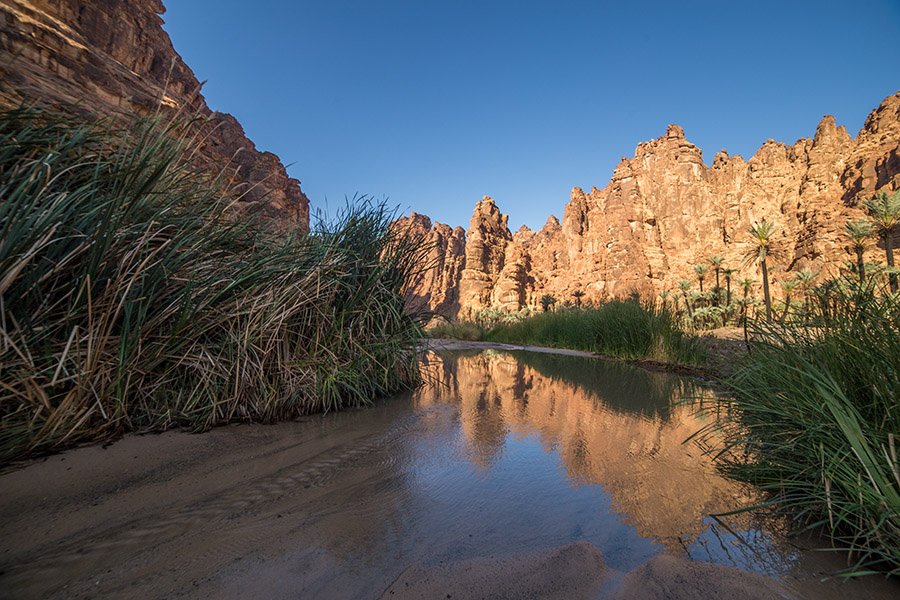
Wadi Al-Disah
This is a renowned valley flanked by the massive red sandstone cliffs and are often called the ‘Valley of Palm Trees’ or Wadi Al-Habak. It offers a mild climate, springs and Nabataean tombs.
Wadi Al-Bardani
It is situated near Bareq, and is known for its year-round flowing water. The lush green scenery and the dense trees make it a green valley oasis.
Wadi Al-Rummah
As one of the longest valleys in the kingdom, Wadi Al-Rummah, roughly extends to 1000km, acting as a major, though seasonal watercourse.
Wadi Hanifah
This is a long, 160 km valley, that stretches near Diriyah, featuring rehabilitated streams, farms and eco-friendly tourist spots.
Wadi Lajab
It is a striking narrow canyon or cleft in the rock that requires an SUV to navigate, and is known for its dramatic steep walls and verdant interior.
Wadi e Jinn
This valley is located in the holy region of Madinah and is famously known as the ‘gravity hill’ or ‘magnet mountain’, where the vehicles appear to move uphill without power.
Wadi Hali
This valley is situated in the Jazan Region and is a major, long and essential seasonal valley in the southwestern mountainous regions.
Saudi Arabia is a premier destination for mountain and valley tourism, featuring the breathtaking landscapes like the lush, red sandstone and the lush greenery. The best time to visit many of these places is the mild climate compared to the rest of the kingdom, often during summers as they are really brutal combined with the desert weather.