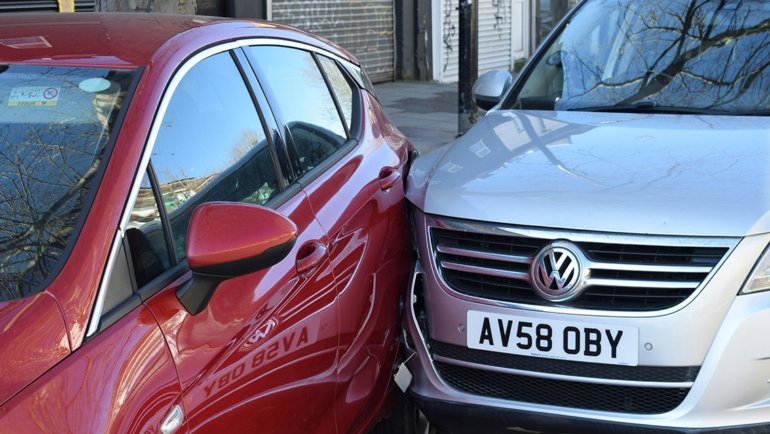
About one million arrests are made in the United States each year for driving under the influence of alcohol and drugs, according to the Centers for Disease Control and Prevention. Unfortunately, these arrests are only a small portion of the times impaired drivers are on the road.
It is usually the result of blood alcohol concentration (BAC) tests and field sobriety tests that serve as evidence when someone is charged with driving under the influence. Sadly, these tests are not always foolproof.
But if this is the case, can you fight your DUI charges?
There are actually other factors that contribute to a DUI charge. And DUI lawyers routinely challenge these matters to protect their clients’ rights.
So, how do DUI lawyers fight these tests? Let’s find out!
Understanding Blood Alcohol Concentration (BAC) Measurements
A driver stopped for the supposed crime of driving under the influence can greatly benefit from knowing about the Blood Alcohol Concentration (BAC) readings. The term BAC stands for the proportion of alcohol in the bloodstream indicated by a percentage, and it is this technique that cops generally rely on to assess your drunkenness.
For driving purposes, a BAC of 0.08% or higher is usually considered the legal intoxication limit. Driving might not be safe even if one is below that limit. It is very important to know that one’s BAC level can be affected by body weight, gender, and drinking rate, among other factors.
A DUI lawyer in Wayne County states that if your blood was taken because you refused the breath test, you should promptly file for a hearing. Because refusing a breath test can trigger automatic license suspension, and requesting a hearing right away is your only chance to challenge that suspension and protect your driving privileges.
There are alternative ways you can go home after drinking, instead of driving. And if you want to ensure your own safety and the safety of the people around you, you need to know when to be responsible in terms of social drinking.
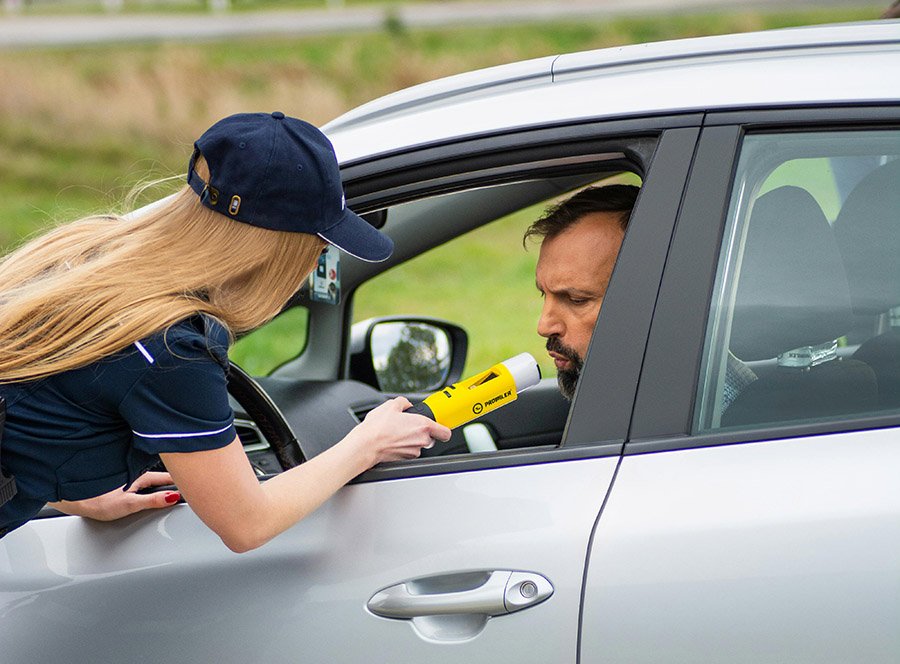
Common Issues With Breathalyzer Accuracy
Even though breathalyzers are the mainstay tool for appraising BAC, a number of factors could have a negative impact on their accuracy. For one, calibration is extremely important; if a machine is not regularly serviced, it may produce unreliable results.
Extreme environmental conditions like extremely hot or cold temperatures, along with high humidity, may very much interfere with the measurements. Health problems like diabetes or acid reflux are capable of creating false positives.
You probably won’t believe that even mouthwash could play a role in the results’ outcome. These inaccuracies may create a lot of annoyance, especially if you are trying to resolve a legal matter.
Knowledge of these points can be your power and can lead to a more assertive posture in terms of the discussions with the DUI attorney who will represent you.
Challenges Related to Field Sobriety Tests
Breathalyzer inaccuracies can complicate DUI cases, but FSTs pose an even bigger problem when it comes to lawyers and judges wanting to know the truth. The tests that are commonly viewed as clear-cut can be very subjective and be influenced by a number of factors.
For example, your health condition, how old you are, or even the place where you are can impact how well you do. The police officer’s reading of your movements can sometimes be off. You may be extremely nervous or anxious and that can result in poor performance.
There is no common way for administering these tests; the credibility of it is in question. If you were stopped, it is very necessary to be aware of these common traps.
A competent DUI attorney will be able to argue against the credibility of FSTs so that you will not be unfairly judged based on such imperfect evaluations.
Legal Precedents and Case Law
Knowing about legal precedents and case law is important for anyone charged with DUI. Those rulings can greatly affect the outcome of one’s trial. Courts will often follow previous rulings when deciding on a case and this determines how the evidence will be treated – it could be BAC readings, sobriety tests, etc.
So becoming aware of landmark rulings will not only enable you to see how courts in the past have dealt with similar issues that might be to your defense. If the former decision had ruled a specific test as unreliable, then this ruling might be in your favor.
Talk to your lawyer about the case law related to your case. Knowing about them can help you understand what legal standards apply to your situation. This will also make you more involved and supported during your trial.
Strategies for Building a Strong Defense Against DUI Charges
To build a strong defense against DUI charges, it takes quite a lot of effort, plus a very extensive and deep-mapped knowledge of the legal framework that case law has established.
Gather the maximum possible evidence that you can; this could include police reports, videotape records, and witnesses’ accounts. You will examine your arrest minute by minute for any breaches of procedure or discrepancies.
It is critical to contest the breathalyzer results as unreliable since the wrong apparatus can lead to wrongful charges. Hiring a knowledgeable DUI lawyer who will guide you through the various steps of the local laws will be a big help for your case.
Look at other possible solutions to the issue. Sometimes, your best outcome is to reduce the accusation against you. You don’t have to feel cornered. There are many other people who experienced the same and found their way out.