Canada’s wilderness doesn’t mess around. You know this if you’ve ever tried tackling those snow-packed trails or loose gravel paths that seem designed to humble even seasoned cyclists.
Here’s the thing, your standard bike tires just aren’t built for what Canadian terrain biking throws at you. That’s where fat tires step in like a game changer, offering unmatched stability on rough terrain through brilliant engineering that completely reshapes how you’ll experience this country’s most challenging landscapes.
The Science Behind Fat Tire Performance on Canadian Terrain
Let’s dig into why fat tires absolutely dominate Canadian conditions. It’s all about understanding the engineering magic that makes them so incredibly effective when the going gets rough. Fat bikes excel at riding on soft surfaces, making them ideal for riding in deep snow, soft sand, and over loose gravel. This exceptional performance comes down to fundamental physics that regular tires simply can’t compete with.
Electric bike manufacturers have caught onto these advantages too. The Jasion Electric Bike brilliantly combines advanced motor technology with wide tire compatibility, creating powerful systems that thrive in Canada’s most punishing conditions. These smart designs amplify the natural benefits of fat tires while adding electric assistance for those brutal climbs.
 Source: Canva
Enhanced Contact Patch Technology
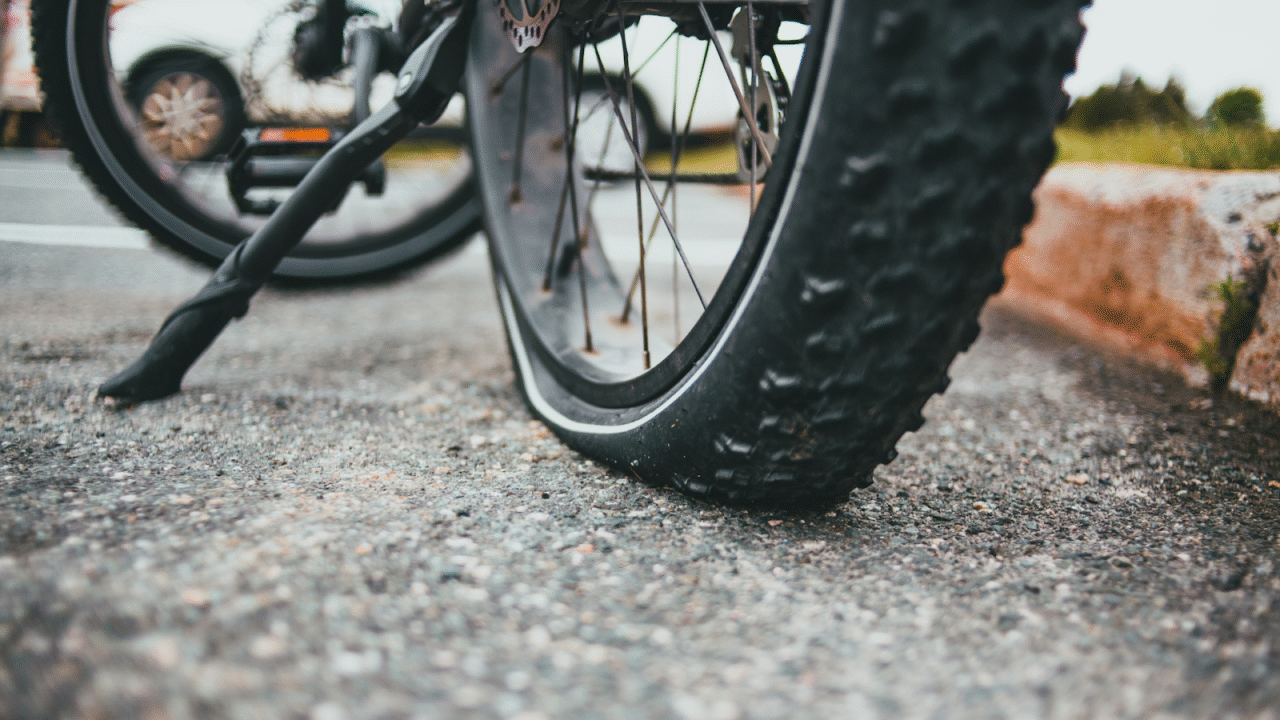
Here’s something fascinating: fat tires spread your weight across rough surfaces way more effectively. This expanded contact patch dramatically cuts ground pressure compared to your typical mountain bike tires. Canadian soil, whether we’re talking rocky Shield terrain or prairie clay, responds much better to this distributed loading approach.
Ground contact optimization becomes absolutely critical during spring thaw. Fat tires stop you from sinking into those soft, muddy surfaces that would completely trap narrower wheels.
Low-Pressure Riding Dynamics
Fat tires run at significantly lower pressures than conventional options, typically 5–15 PSI depending on what you’re facing. This flexibility lets the tire wrap around obstacles instead of hammering over them brutally. Impact absorption works completely differently when tires can compress and mold to irregular surfaces.
The benefits of fat tires really shine during marathon rides where this shock absorption cuts rider fatigue dramatically. Canadian trails often feature endless sections of technical terrain where this comfort advantage becomes absolutely invaluable. Proper e-bike maintenance ensures your ride stays reliable no matter how tough the trail gets.
Stability Advantages of Fat Tires in Canadian Conditions
Understanding science helps, sure. But experiencing how these principles translate into real-world stability on rough terrain? That’s when you truly get why fat tires have become must-have equipment for serious Canadian cyclists.
Winter Performance Excellence
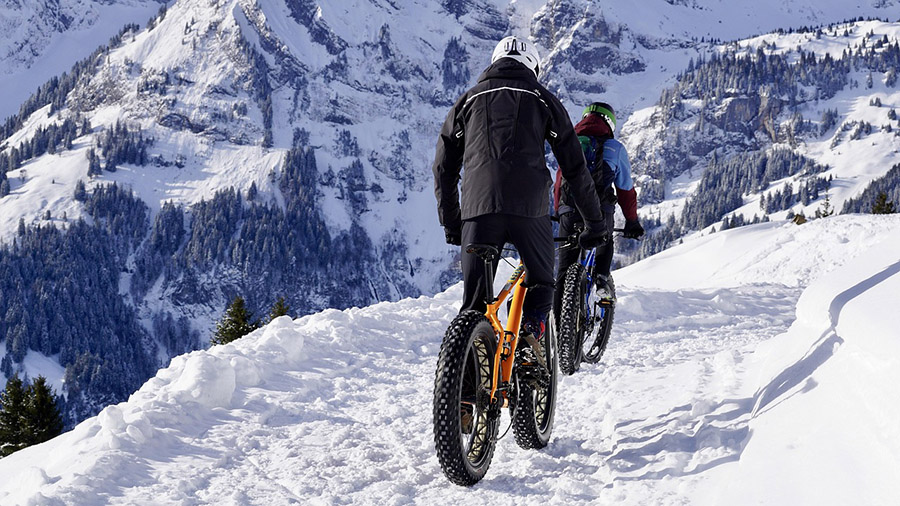
Snow throws unique curveballs that fat tires handle through specialized design features. The wide footprint stops bikes from slicing through snow layers, instead spreading weight to maintain surface contact. Fat tires deliver superior flotation versus traditional wheels.
Ice traction gets dramatically better with studded fat tire options. These aggressive tread patterns grab frozen surfaces, providing control in off-road biking situations where standard tires would slip dangerously.
Multi-Season Terrain Adaptability
Canadian seasons demand versatile gear that performs across constantly changing conditions. Spring mud season tests any tire’s limits, but fat tires navigate these challenging surfaces confidently. Their wide stance and low pressure eliminate wheel spin in slippery conditions.
Summer trail stability benefits from that expanded contact patch during high-speed descents. Fall’s leaf-covered paths hide obstacles that fat tires roll over smoothly, keeping you in control when visibility drops.
Technical trail sections packed with exposed roots and rock gardens challenge even expert riders. Fat tires deform around these obstacles, reducing harsh impacts that cause control loss. Tire deformation over obstacles creates smoother riding while maintaining forward momentum.
Fewer pinch flat incidents result from the tire’s ability to absorb impacts without completely compressing against the rim. This reliability proves crucial during remote backcountry rides where mechanical failures could create serious problems.
Control Enhancement Features for Off-Road Canadian Biking
Beyond stability improvements, fat tires deliver enhanced control in off-road biking through multiple performance characteristics that transform your riding experience.
Steering Precision on Loose Surfaces
Improved bike handling emerges from the tire’s ability to maintain consistent ground contact. The ANT5 boasts colossal 24×4.0″ fat tires, which provide enhanced traction and mechanical stability on different terrain. This mechanical stability translates directly into rider confidence during technical maneuvers.
Less rider fatigue on long trails results from more predictable handling. Enhanced cornering confidence lets you maintain higher speeds through turns without worrying about washing out.
Braking Performance on Variable Terrain
Increased stopping power distribution across the tire’s width provides better control during emergency situations. That expanded contact patch allows more effective braking force transfer to the ground. Control in off-road biking scenarios improves dramatically when you can brake confidently on loose or slippery surfaces.
Emergency braking effectiveness becomes particularly important on steep descents where precise control prevents accidents.
Climbing and Descending Mastery
Traction optimization on steep grades allows fat tire bikes to climb previously impossible sections. Power transfer efficiency improves when tires maintain consistent ground contact without slipping. Canadian terrain biking often involves sustained climbs where this traction advantage proves decisive.
Descent control techniques benefit from the tire’s ability to absorb impacts while maintaining steering responsiveness. You can tackle challenging downhill sections with increased confidence.
Fat Tire Technology Innovations for 2025
Recent technological advances continue revolutionizing how fat tires perform in Canada’s most demanding environments.
Advanced Rubber Compounds
Cold-weather rubber formulations stay flexible in sub-zero temperatures where standard tires become rigid. Puncture-resistant technologies integrate materials that resist damage from sharp rocks and thorns. Eco-friendly tire materials reflect growing environmental consciousness without sacrificing performance.
Tread Pattern Evolution
Directional tread designs optimize rolling resistance while maintaining traction capabilities. Self-cleaning tread features prevent mud and debris buildup that could compromise performance. Noise reduction innovations make fat tires suitable for urban riding as well as trail use.
Tubeless Fat Tire Systems
Sealant compatibility allows you to run lower pressures without fear of pinch flats. Installation techniques have been simplified, making tubeless conversion more accessible. Maintenance advantages include reduced puncture frequency and improved ride quality.
Selecting the Right Fat Tire Setup for Canadian Terrain
Choosing optimal fat tire configurations requires understanding how different specifications affect performance across Canada’s diverse landscapes.
Tire Width Considerations
Width recommendations vary based on intended use, with 4.0″ tires offering better speed while 5.0″+ options provide maximum flotation. Frame compatibility factors limit choices for some riders. Performance trade-offs between speed and stability require careful consideration.
Seasonal Tire Rotation Strategies
Summer tire selections emphasize rolling efficiency and durability. Winter options prioritize traction and cold-weather performance. Cost-effective rotation schedules help maximize tire life while maintaining optimal performance.
Regional Terrain Matching
Prairie riding benefits from faster-rolling tread patterns. Mountain trails require aggressive lugs for technical sections. Coastal environments demand corrosion-resistant materials due to salt exposure.
Final Thoughts on Fat Tire Performance
Fat tires represent a fundamental shift in how you approach challenging terrain, delivering unmatched stability on rough terrain and control in off-road biking that transforms Canadian terrain biking into an accessible adventure. The benefits of fat tires extend far beyond simple comfort improvements, they provide safety margins and performance capabilities that make previously impossible rides totally achievable.
For Canadian riders serious about year-round cycling, fat tires aren’t just an upgrade. They’re essential equipment for conquering this country’s diverse and demanding landscapes.
Common Questions About Fat Tire Performance
Do fat tires make biking harder in Canadian terrain?
While fat tires have higher rolling resistance, their stability and comfort benefits outweigh efficiency losses on rough terrain, making rides safer and more enjoyable overall.
What tire pressure should I use for different Canadian terrains?
Snow conditions work best at 5-8 PSI, mud requires 8-12 PSI, while rocky terrain benefits from 10-15 PSI for optimal performance and puncture resistance.
Can I use fat tires year-round in Canada?
Yes, modern fat tires perform well across all seasons, though dedicated winter and summer options optimize performance for specific conditions and temperatures.