Every summer, thousands flock to Florida’s Gulf Coast for scalloping season: an underwater treasure hunt where you snorkel over shallow seagrass beds and hand-collect bay scallops. No special skills needed. No steep learning curve. Just warm water, waving grass, and the thrill of spotting that flash of blue as scallops swim away.
What Is Florida Scalloping (and Why It’s So Popular)
Scalloping is exactly what it sounds like: swimming over shallow seagrass beds while snorkeling and hand-collecting bay scallops. These small shellfish rest lightly on the sea floor and are surprisingly easy to spot once your eyes adjust. When approached, scallops often “swim” away by snapping their shells, flashing a bright blue eye in the process, a moment that never gets old.
Why Families Love It
What makes Florida scalloping especially appealing is its accessibility. Unlike scuba diving, scalloping takes place in relatively shallow water, often at depths of 4 to 8 feet. This makes it ideal for:
- Families with children
- Complete beginners
- Anyone who prefers relaxed exploration over adrenaline-heavy activities
Sustainable by Design
Florida’s Nature Coast has earned its reputation as the heart of scalloping thanks to healthy seagrass beds and strong conservation efforts. Strict seasonal limits and harvest rules have helped maintain scallop populations, ensuring the experience remains sustainable for future generations. The result is a rare blend of recreation, education, and environmental stewardship, one that rewards respect for the ecosystem as much as enthusiasm for the catch.
When Is Scalloping Season in Florida
| Season Dates | Typically July through September (varies by area) |
| Best Time of Day | Early morning for best visibility |
| Weather to Avoid | Summer afternoon thunderstorms |
Important: Always check current season dates before planning your trip, as regulations can change slightly from year to year.
Timing Your Trip for Success
- Morning vs. Afternoon: Morning hours usually offer the best visibility, calmer winds, and smoother water conditions. Sunlight angles make scallops easier to spot, and boat traffic tends to be lighter earlier in the day.
- Weather Considerations: Summer afternoons often bring thunderstorms, so keeping an eye on the forecast is essential. Calm seas, clear skies, and minimal wind create ideal scalloping conditions and a safer, more enjoyable experience overall.
Best Places for Florida Scalloping
Florida scalloping is concentrated along the state’s Nature Coast, where shallow waters and thriving seagrass beds create ideal conditions. Here are the top three destinations:
Homosassa
Best for: Families and first-timers
One of the most popular scalloping hubs in Florida, Homosassa offers calm waters, clearly marked scalloping zones, and easy access to the Gulf. It’s especially well-suited for families and first-time scallopers, with plenty of nearby services, boat ramps, and protected waterways.
Crystal River
Best for: Variety seekers
Just north of Homosassa, Crystal River is another scalloping favorite. Known for its natural springs and vibrant marine life, it combines excellent scalloping grounds with a well-developed charter and boating scene. The area is also famous for its underwater caves and diverse wildlife encounters.
Steinhatchee
Best for: Crowd avoiders
Often considered a more laid-back alternative, Steinhatchee tends to be less crowded while still offering strong scallop numbers. It’s a great option for those looking for a quieter, more old-Florida feel.
What They All Share: Warm summer water, healthy seagrass, and easy access to scalloping grounds just offshore.
Where to Stay for a Successful Scalloping Trip
Where you stay can significantly shape your scalloping experience. Early mornings, changing weather, and the need to rinse, store, and prepare gear make convenience a priority.
Why Waterfront Rentals Make Sense
Many experienced Florida scalloping enthusiasts choose waterfront vacation rentals with:
- Boat slips for direct water access
- Gear storage and rinse stations
- Flexible schedules without check-in/check-out constraints
- Full kitchens for cleaning and cooking your catch
Staying close to the water means less time hauling gear and more time scalloping, or relaxing after a long day on the seagrass beds. In places like Homosassa, TradeWinds Homosassa Vacation Rentals are popular with scallopers who want easy boating access and a comfortable base between outings.
Essential Gear You’ll Need
Scalloping doesn’t require advanced equipment, but having the right gear is crucial for safety, comfort, and success.
Snorkeling Equipment
- Mask and snorkel with a good seal
- Fins to move efficiently over seagrass beds
Safety Gear
- A properly displayed dive flag (required by Florida law)
- Whistle or signaling device if snorkeling from a boat
Collection Tools
- Mesh scallop bag (allows water to flow through and keeps scallops fresh)
- Gloves (optional, but helpful for gripping shells)
Licenses and Regulations
- A Florida saltwater fishing license is typically required for adults
- Daily bag limits and vessel limits apply and are strictly enforced
Having everything ready before you head out helps you focus on the experience itself: floating peacefully over the seagrass, spotting flashes of blue, and enjoying one of Florida’s most rewarding summer traditions.
How to Scallop: Tips for First-Timers
Once you’re in the water, scalloping is more about observation than speed.
The Basic Technique
- Glide slowly over the seagrass beds and let your eyes adjust
- Watch for clues: Scallops often give themselves away with a subtle outline or a flash of their bright blue eyes
- Use a zig-zag pattern to cover more ground without missing hidden scallops
- Dive and collect: Simply pick up scallops by hand, no tools required
Pro Tips
- Wear polarized sunglasses while on the boat to scout promising areas before entering the water.
- Be patient. Your eyes need time to adjust to spotting scallops against the seagrass.
- Only take what you plan to use (respecting collection limits ensures sustainability)
Cleaning, Cooking, and Enjoying Your Catch
After a successful day on the water, the experience isn’t complete until you turn your fresh catch into a meal worth remembering.
The Cleaning Process
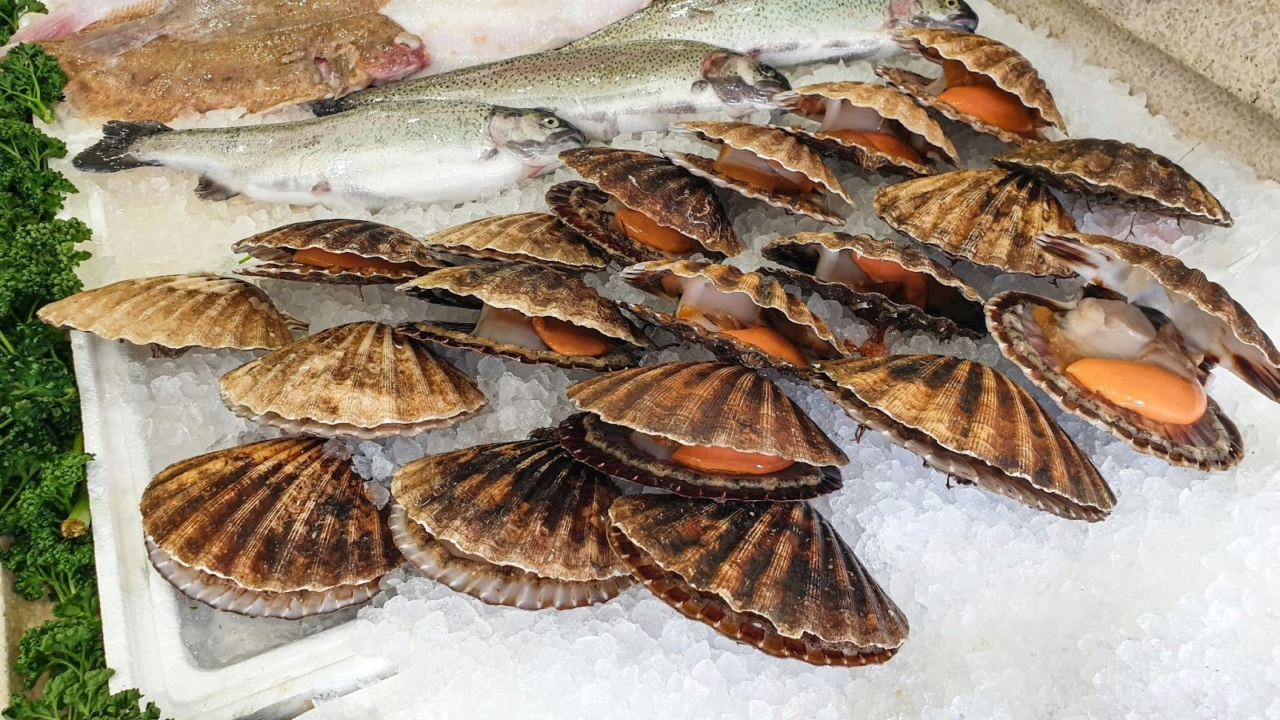
Most people clean scallops the same day they’re harvested, keeping them cold until preparation. Once opened, only the white adductor muscle is typically eaten, though some prefer to include the roe.
Simple Recipe Ideas
Fresh scallops shine with minimal preparation:
- Butter and Garlic Sauté: Lightly pan-sear for 2-3 minutes per side
- Grilled: Cook over high heat for a smoky flavor
- Raw: Served ceviche-style when handled properly
Safety, Conservation, and Local Etiquette
Here’s how to keep yourself safe while scalloping.
On the Water
- Always display a dive flag correctly and stay within the recommended distance
- Stay aware of boat traffic in popular areas
- Use a whistle or signaling device for safety
Protecting the Ecosystem
- Avoid damaging seagrass beds with anchors or propellers
- These habitats are critical to scallop populations
- Follow all regulations. It’s about protecting the ecosystem, not just avoiding fines
Responsible practices help preserve the tradition for future visitors and local communities alike. While you’re exploring Florida’s Nature Coast, you might also encounter other fascinating wildlife like alligators and various bluebird species native to the area.
Why Florida Scalloping Belongs on Your Summer Bucket List
Florida scalloping is rare: accessible, rewarding, and deeply connected to nature. It blends exploration, education, and simple joy like few activities can. With the right timing, preparation, and respect for the environment, scalloping becomes more than a seasonal activity. It becomes a tradition worth returning to, year after year.