In today’s hospitality world, security has evolved from being a back-end concern to a defining part of the guest experience. Travelers no longer prioritize just comfort and amenities — they expect modern, secure environments that protect their privacy and well-being. To meet these expectations, hotels are turning toward advanced technologies that combine safety with seamless service.
Below are six smart security upgrades that every hotel should consider to enhance guest confidence and operational efficiency.
1. Integrated Access Control Across Rooms, Elevators & Staff Zones
Modern access control goes beyond room key cards. Hotels can now assign role-based permissions, manage staff entry timings, and even regulate elevator access for specific floors. These systems ensure guests can only reach authorized areas, while staff access to sensitive spaces like IT rooms or storerooms is tightly controlled.
Implementing Coram’s access control system takes this one step further. The platform unifies mobile credentials, card readers, and real-time monitoring under one dashboard. With its AI-powered, cloud-based infrastructure, Coram enables hotels to grant or revoke access instantly and monitor activity across all property zones. Its seamless integration with hotel management software ensures that front-desk operations, staff security, and guest safety all work together in perfect harmony.
2. AI-Enabled Video Surveillance & Analytics
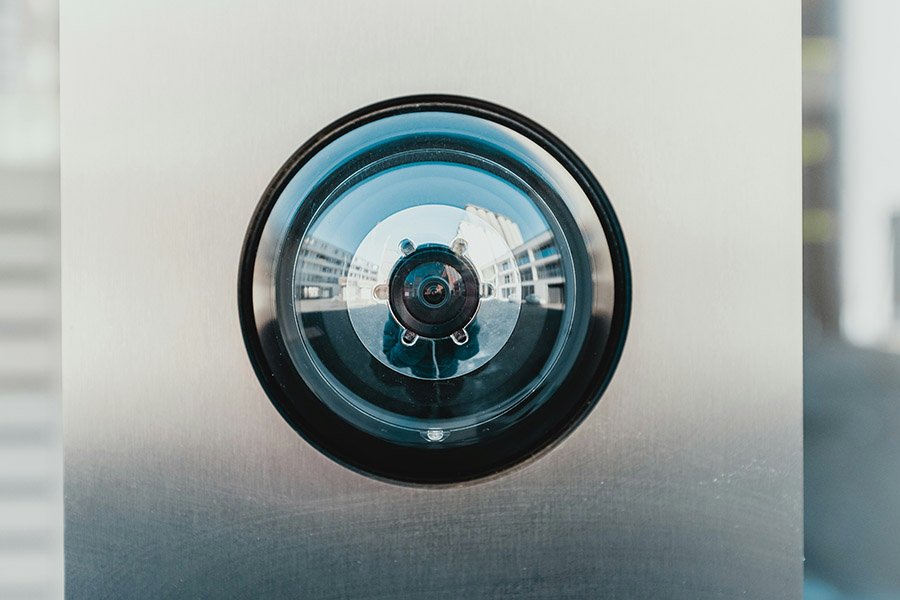
AI surveillance transforms passive monitoring into proactive security. By analyzing video feeds in real time, it can detect unusual patterns like loitering, forced entries, or abandoned luggage, alerting staff before an incident escalates. This system reduces reliance on manual supervision and helps security teams respond faster and more precisely.
AI analytics also improve efficiency by allowing quick video searches based on faces, objects, or actions a huge upgrade from scrolling through hours of footage. Hotels that adopt these systems gain sharper visibility and enhanced situational awareness across their premises.
3. Emergency Management & Automated Alert Systems (EMS)
Emergency Management Systems unify alarms, sensors, and panic buttons into one command center. When incidents like fires, intrusions, or medical emergencies occur, the EMS automatically triggers pre-set protocols such as unlocking emergency exits, sending staff notifications, or activating public address systems.
This centralized approach ensures faster coordination among hotel teams and minimizes confusion during critical situations. Real-time dashboards provide staff with a clear picture of the event, helping them take informed action and maintain guest safety throughout the property.
4. Keyless & Mobile Access
Keyless entry is redefining convenience in the hospitality sector. Guests can check in through mobile apps, receive digital keys, and access their rooms or facilities without stopping at the front desk. This not only saves time but also enhances hygiene and reduces plastic card waste.
For hotels, mobile credentials are more secure — they can be instantly deactivated or updated remotely. By combining mobility with access control, properties can provide a frictionless and futuristic experience that aligns with the expectations of tech-savvy travelers.
5. Smart Sensors & Environmental Monitoring
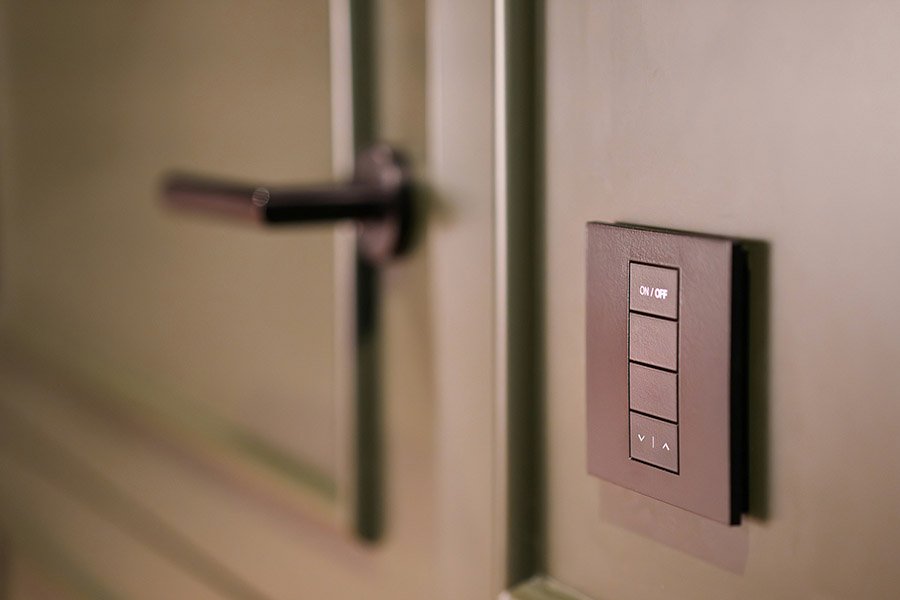
IoT-based sensors can detect smoke, temperature changes, leaks, or unusual movement in real time. These sensors act as silent guardians, identifying potential threats before they turn into emergencies. They’re especially useful in places where cameras aren’t suitable, like guest rooms or restrooms.
Integrating these devices with the hotel’s main security system enables automated alerts and faster responses. Whether it’s preventing a fire hazard or catching a water leak early, sensors make hotels safer while maintaining privacy and efficiency.
6. Redundant Power, Connectivity & Centralized Dashboard
Even the smartest system needs to stay operational during outages. That’s where redundant power sources, LTE failover, and cloud-based dashboards come into play. With reliable backup systems, hotels can ensure security cameras, access controls, and emergency alerts remain online 24/7.
A centralized, cloud-connected dashboard allows management teams to oversee multiple properties from anywhere. It provides actionable insights, performance analytics, and audit trails that help refine security policies over time. This upgrade ensures that safety never takes a back seat, even during unexpected technical disruptions.
Bringing It All Together
Modern hotel security is about integration connecting access control, surveillance, sensors, and emergency response systems into a single ecosystem. When these technologies work in harmony, they not only prevent threats but also create smoother guest experiences and more efficient operations.
Solutions like Coram’s access control system are leading this transformation by merging AI, mobility, and automation into one unified platform. Hotels that invest in such innovations gain a competitive advantage delivering safety, trust, and sophistication that today’s travelers truly appreciate.
FAQs
Why should hotels upgrade from traditional locks to smart access systems?
Smart systems provide digital control, instant credential management, and audit trails, making it easier to prevent unauthorized entry while enhancing operational flexibility.
Can AI video surveillance respect guest privacy?
Yes. AI analytics can be configured to monitor only public areas and anonymize footage where necessary, maintaining safety without compromising guest comfort.
How does Coram’s access control system fit into existing hotel infrastructure?
Coram’s open-platform design works with most existing IP cameras, smart locks, and management systems, making integration seamless and cost-efficient for any property size.