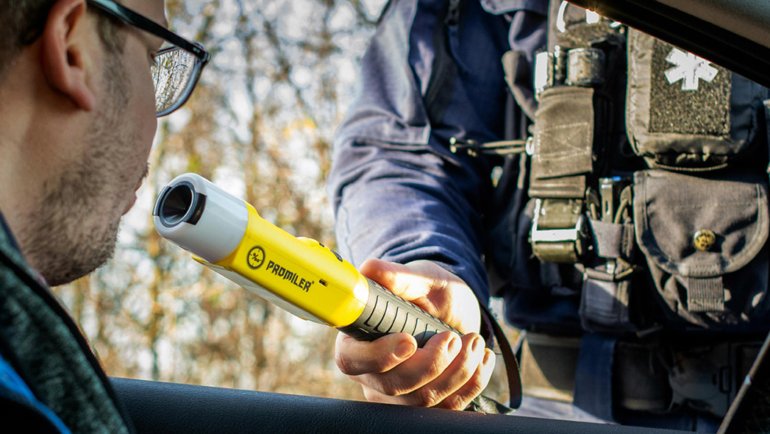
Buying a motorcycle comes with both clear advantages and serious trade-offs, and it’s a decision that deserves careful thought. The growing popularity of motorcycles in the U.S. says a lot. Since 2002, the number of registered bikes has doubled to 8.8 million, showing just how appealing two-wheelers are despite their challenges.
One of the biggest draws is the financial upside. Most motorcycles average between 50 and 70 miles per gallon, far better than the typical car’s 25 MPG. They’re often cheaper to buy and maintain, especially if you opt for a smaller, fuel-efficient model. Still, those savings come with caveats. According to J.D. Power, annual maintenance can run between $800 and $1500. Then there’s the issue of security. In 2020 alone, over 53,000 motorcycles were reported stolen in the U.S.
This article will explore whether owning a motorcycle makes sense for your lifestyle or professional routine. You’ll need to weigh the thrill of riding against the realities of cost, safety, and everyday practicality.
The Benefits of a Motorcycle for Busy Professionals
Time is precious when you have a demanding career, and finding the best ways to get around becomes crucial. Motorcycles give busy professionals who juggle packed schedules several clear advantages.
Fuel efficiency and lower commuting costs
A motorcycle’s financial perks go way beyond the original purchase price. Most motorcycles get between 50-80 miles per gallon while average cars only manage 25-30 MPG. The more efficient motorcycles with smaller engines can hit an impressive 100 MPG. You’ll spend about half as much on fuel compared to driving a regular car—and save even more against an SUV’s costs.
On top of that, motorcycles need less money for upkeep than cars. They have fewer moving parts and simpler systems, which makes them cheaper to maintain. Many professionals buy used motorcycles just to commute and maximize these savings.
Easier parking in crowded cities
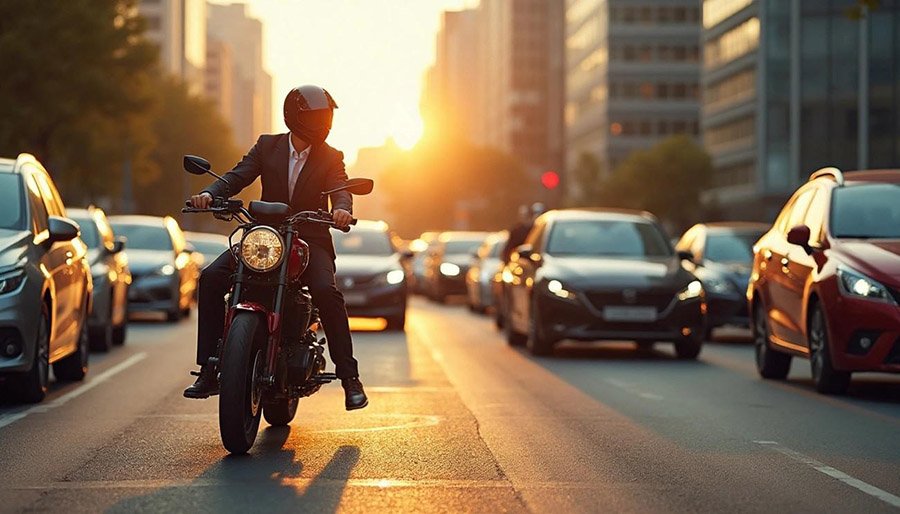
The parking headache ends quickly when you own a motorcycle, especially when you have to work in busy city areas. Studies show drivers waste 6-14 minutes looking for parking spots, and this frustrating search might cause up to 30% of city traffic.
Motorcycles fix this problem because they:
- Fit into spaces too small for cars
- Can use dedicated motorcycle parking areas (often free)
- Save time you’d waste circling for spots, so you can do more important things
This parking advantage really helps if you work in downtown areas where space is tight and every minute counts.
Quick maneuvering through traffic
The quickest way to save time for busy professionals is knowing how to zip through congested roads efficiently. Motorcycle trips in busy cities often take half the time of car travel on the same route. Their small size lets riders keep moving steadily even in heavy traffic.
You can also guide your motorcycle through shortcuts that bigger vehicles can’t use. Some states let motorcycles use carpool lanes whatever the passenger count, which cuts down travel time even more.
These benefits add up to something valuable for busy professionals – extra time that you’d otherwise waste sitting in traffic.
Hidden Costs and Time Commitments
Motorcycles might help you save at the gas pump, but owning one comes with hidden costs that can quickly eat up those savings. Busy professionals who think about switching to two-wheeled transportation should know the real costs and time investments involved.
Routine maintenance and upkeep
Your motorcycle just needs more frequent maintenance than a car, with yearly costs typically between $800 and $1500. Average riders who cover 5,000-10,000 miles yearly spend $500 to $2500 on maintenance. Riders covering 15,000+ miles should set aside $2500-$4000 each year.
Regular maintenance includes:
- Oil changes every 3,000-5,000 miles cost $50-100 each
- New tires every 8,000-12,000 miles run $300-600 per set[112]
- Chain and sprocket replacement every 15,000-20,000 miles costs $200-400
- Brake pad replacements cost $100-300[81]
Cars can go 5,000-7,500 miles between oil changes, but motorcycles need service every 3,000-5,000 miles. This means more trips to the shop and extra time spent throughout the year.
Insurance and registration requirements
Most states require insurance by law, with basic coverage typically costing between $200 and $500 per year. Full coverage can range from $400 to $1500 annually, depending on your location, riding history, and the type of motorcycle you own. State regulations usually mandate minimum liability coverage of $15,000 for injuries to one person, $30,000 for multiple injuries, and $5,000 for property damage.
Registration fees also vary by state, generally falling between $20 and $100 each year. Some states impose additional taxes based on the motorcycle’s value or emissions. Failing to maintain valid insurance can lead to harsh penalties, including registration suspension for up to three months.
For riders in Greece or those seeking trusted coverage in that region, Cosmote Insurance offers reliable options for motorbike insurance tailored to your needs. They make it easy to stay protected while enjoying the road ahead.
Time spent on safety training and licensing
New riders must spend significant time on training and licensing. The Basic RiderCourse takes about 15 hours – 5 in class and 10 riding. Course fees run between $100-400 depending on location.
The time investment pays off since most states waive the riding portion of the motorcycle endorsement test after course completion. Insurance companies often give discounts to riders who finish safety courses.
Safety-conscious riders should keep developing their skills, which means more time commitments that busy professionals need to fit into their schedules.
Risks and Limitations You Should Know
The financial side of owning a motorcycle is just one part of the story. You need to think about physical risks too. The safety difference between motorcycles and cars is huge, and this should play a big role in your decision.
Higher accident risk compared to cars
The numbers tell a scary story. Motorcycle riders face a death risk 28 times higher than car drivers for the same distance traveled. The harsh reality shows that 80% of motorcycle crashes lead to injury or death, while car accidents stay around 20%. Last year in 2023, 6,335 motorcyclists lost their lives—making up 15% of all traffic deaths.
These risks come from multiple sources:
- Other drivers have trouble seeing motorcycles because they’re smaller
- Cars give you a protective shell that motorcycles don’t have
- Gravel and potholes hit motorcycles harder
- Two wheels just aren’t as stable as four
Limited weather protection
Bad weather makes riding much harder. Rain creates two big problems: roads get slick and everyone’s vision gets worse. The first few minutes after rain starts are extra dangerous because oil comes up to the surface.
Snow, ice, and heavy winds create even bigger challenges. A short 35-mile ride through a thunderstorm can be more dangerous than a longer trip in snow. Modern motorcycle tires grip better than old ones, but they’re nowhere near as stable as car tires in bad weather.
Is Motorcycle Ownership Worth It for Your Lifestyle?
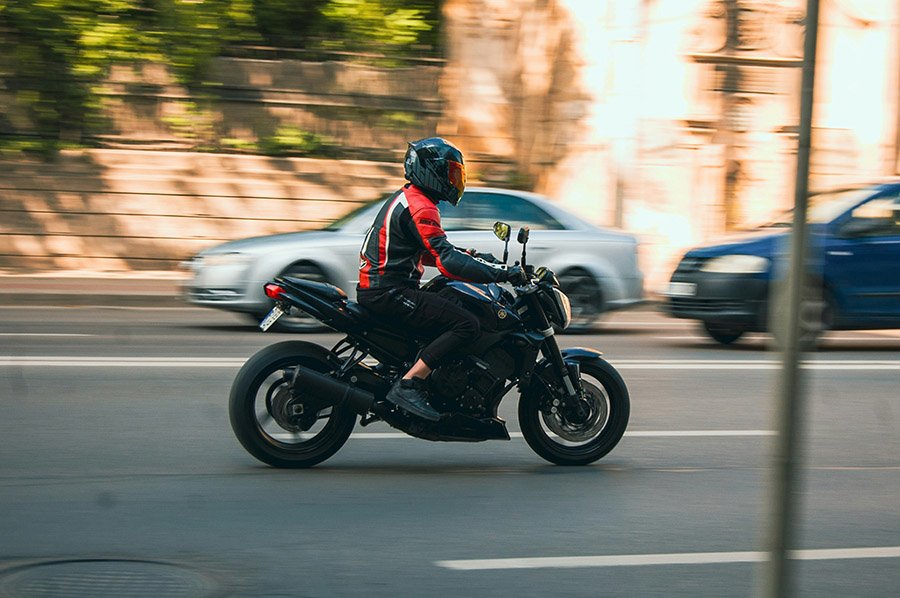
You need an honest look at your life situation to see if a motorcycle fits your work schedule. Here are some key questions to think about before you spend your money:
How often will you realistically ride?
Research shows most motorcycle owners take their bikes out several times a week. The numbers change a lot based on each person’s situation. People who use motorcycles to get to work ride more often than those who keep them just for fun. Take a good look at your schedule first to see if you’ll ride enough to make it worth the cost.
Do you have secure parking or storage?
Security is vital—thieves steal a motorcycle every 9 minutes in the U.S., with more than 54,000 bikes taken in 2022. If you don’t have a garage at home, you’ll need other options. Self-storage units need at least a 5’x10′ space. You could also look into motorcycle sheds or rental spots. Poor storage choices can damage your bike and make it an easy target for theft.
Can it replace or complement your car?
Most riders keep their cars and add a motorcycle to their garage. A motorcycle’s full tank can last three weeks of commuting while a car needs refilling every week. Busy professionals often find motorcycles work best as an extra way to get around rather than replacing their cars completely.
What are your long-term transportation goals?
A motorcycle should fit into your bigger transportation picture. Look at things like environmental benefits—motorcycles create only 1/3 of a car’s emissions. Your local weather and long-term costs also need careful thought before you make your decision.
Conclusion
Motorcycles can offer serious advantages for professionals who value speed, savings, and a sense of freedom on the road. They cut through traffic, lower fuel costs, and make city commuting easier. But these perks come with trade-offs—higher risks, ongoing maintenance, and time commitments that can add up quickly.
If you’re thinking about joining the growing number of motorbike owners, take the time to weigh the excitement against the responsibilities. Think about how often you’ll ride, where you’ll store the bike, and whether it truly fits your lifestyle. For many, it’s not just about the ride itself, but about making smarter, more efficient choices in a fast-moving world.