Zion National Park is one of the most spectacular natural destinations in the United States, offering deep canyons, sandstone cliffs, and countless hiking trails that attract millions of visitors each year.
But before you pack your hiking boots and head for Utah, it’s vital to understand how Zion’s weather changes throughout the year. Knowing what to expect each month helps you plan the right gear, clothing, and itinerary—ensuring your adventure is as comfortable as it is unforgettable.
January: Crisp and Quiet Winter Escapes
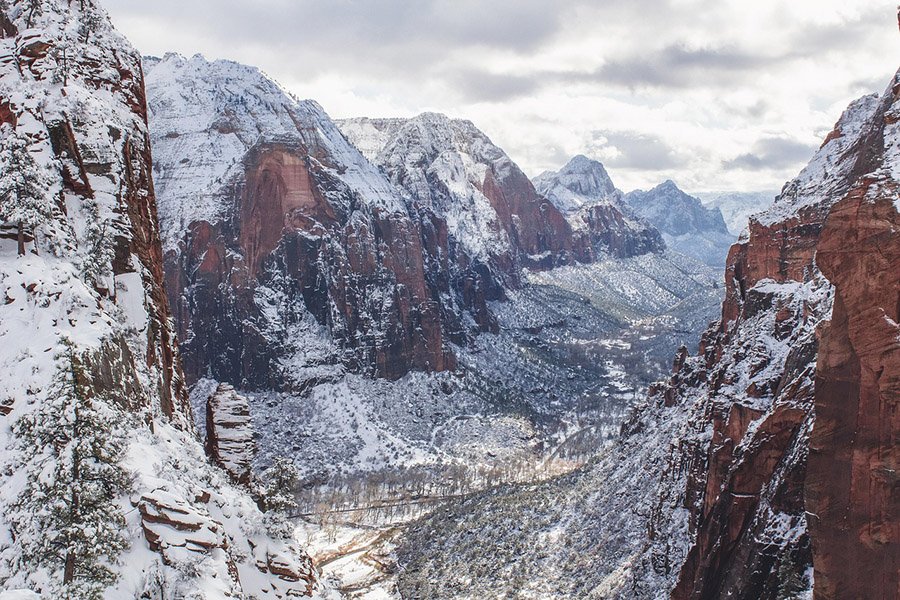
January in Zion is peaceful, with average daytime highs near 50°F and chilly nights dipping close to freezing. The park receives occasional snow at higher elevations, turning the red cliffs into a stunning winter postcard. Fewer crowds make this an excellent time for serene hikes along lower trails, such as Pa’rus or Watchman. Just prepare for icy conditions early in the morning.
To stay warm during rest breaks, pack plenty of layers and a thermos in your daypack. Photography lovers especially enjoy January for its clarity and golden light, offering unobstructed views of rock formations without the summer haze.
February: A Hint of Spring Ahead
Temperatures start to rise slightly in February, ranging from mid-50s during the day to around freezing at night. While it’s still cool, the later weeks of the month bring hints of spring, creating a perfect opportunity to see snow-dusted cliffs under bright blue skies. Waterfalls often flow strongly this time of year, fed by melting snow from higher elevations.
You’ll also find hotel rates and campground availability easier to manage than in summer, making February a great time for budget-friendly travelers and photographers seeking solitude.
March: Waterfalls and Wildflowers Emerging
March marks a turning point in Zion. Highs reach the 60s, and early wildflowers begin to bloom. Virgin River water levels rise from snowmelt, creating dramatic scenes and powerful cascades. With conditions still cool, this month is excellent for active hikers tackling popular trails like Angels Landing before the summer heat sets in.
Bring a light rain jacket, as spring showers can make trail surfaces slippery. March also ushers in the return of more visitors, so start your hikes early to experience the canyon’s stillness before the crowds grow throughout the day.
April: Perfect Temperatures for Peak Hiking
April is one of the most comfortable months in Zion, with daytime highs around 75°F and cool, pleasant evenings. The canyon floor bursts with deep greens and wildflowers, and nearly all trails are open and dry. If you’re planning to hike The Narrows, April is a prime window since the water is often clear and river crossings are manageable.
This is also the start of shuttle season, which helps reduce congestion. Make sure to pack sunscreen and plenty of hydration, especially as the days warm up toward early summer.
May: Long Days and Ideal Conditions
May brings abundant sunshine, extended daylight, and highs in the 80s. Conditions are ideal for sightseeing and photography, with the Virgin River glowing beneath golden canyon walls. However, the warmer weather also brings more visitors. Book accommodations and park shuttles early to secure the best experience.
If you plan full-day excursions, keep portable snacks and cold drinks on hand. Carrying a backpack cooler from Cordova Outdoors makes staying refreshed easy on the trail and keeps your drinks chilled all day.
June: Summer Energy and Early Starts
With daytime highs often exceeding 90°F, June marks the start of Zion’s hot summer season. It’s best to begin hikes early in the morning to beat the heat and catch the soft light that illuminates the canyon. The Narrows is a top choice for hikers looking to stay cool, as most of the route involves walking through water.
Hydration and sun protection are crucial this month. Be alert for afternoon storms, which sometimes sweep through the park with lightning and wind.
July: Peak Heat and Afternoon Storms
July is the hottest month, with temperatures regularly climbing above 100°F. The park can become extremely warm in exposed areas, so it’s best to plan indoor breaks during midday and enjoy shaded trails in the morning or evening. Monsoon rains often arrive in the afternoons, causing flash floods in slot canyons. Always check park alerts before exploring.
Despite the heat, early morning hikes along Canyon Overlook or Riverside Walk still deliver unforgettable views.
August: Lush Green and Late-Day Showers
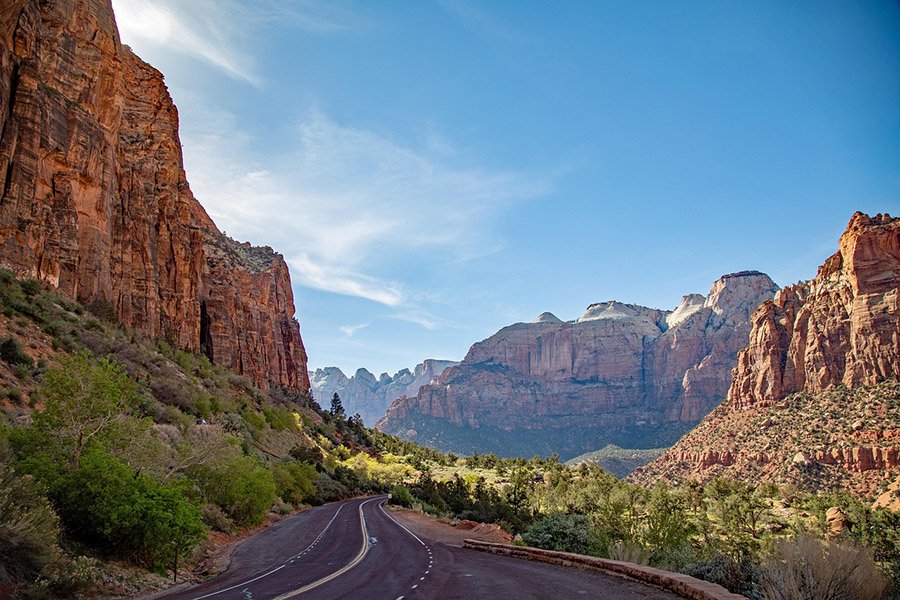
August remains hot but brings more moisture, transforming lower elevations into lush green oases. Afternoon storms can cool the air, creating dramatic skies for photography. Visitors looking for adventure will love this mix of sunlight, mist, and saturated canyon colors.
Just remember that humidity can make temperatures feel warmer than they read. Keep water, electrolyte packets, and breathable clothes in your pack.
September: Golden Light and Comfortable Days
September is one of the most beloved times to visit Zion. The temperatures moderate to the 80s, crowds thin slightly, and fall’s soft light enhances every photo. The Virgin River levels remain ideal for hiking, while dry conditions make trail navigation easy.
At night, stargazing becomes phenomenal with clear desert skies offering views of the Milky Way over canyon peaks. It’s a shoulder season sweet spot for those seeking balanced weather and fewer lines at trailheads.
October: Autumn Splendor in Full Color
October is arguably the most picturesque month in Zion. Cool mornings and comfortable 70-degree afternoons frame cottonwoods turning shades of gold and orange along the riverside. Photographers flock to the park for these hues, and wildlife activity increases as animals prepare for winter.
Trails like Emerald Pools and Observation Point offer outstanding fall vistas. With predictable weather and vibrant trees, it’s no wonder many visitors consider this the best time to go to Zion National Park.
November and December: Peaceful and Scenic Offseason
As winter approaches, December and November bring calm, crisp weather. Expect highs in the 50s, chilly nights, and minimal crowds. The cliffs take on a rosy glow under softer winter light, creating stunning compositions for photographers. It’s also a season for cozy lodging stays after tranquil hikes through nearly empty trails.
For those who crave peaceful exploration and unbeatable scenery, late fall and early winter offer an entirely different perspective on Zion’s beauty.
By understanding Zion National Park’s weather month by month, you can tailor your trip perfectly to your travel style—whether that means escaping the crowds, chasing wildflowers, or hiking in gentle autumn temperatures. Every season in Zion holds its own kind of magic; the key is simply knowing when to go and how to prepare.