Wanna discover an outdoor adventure activity that lets you cliff jump, rock climb and swim all in one?
Look no further than coasteering. After all, with 57.3% of Americans now taking part in outdoor recreation, more of us are actively seeking different ways to get back to nature.
But there’s a catch…
With an activity as physical as coasteering, you need to know what you’re getting yourself into.
Sure, you’ll have a blast leaping off rocky cliffs into a freezing cold sea.
But you also need to make sure it’s the right activity for you, that you’ve packed the proper equipment and that you understand the risks involved.
For an unforgettable experience along the cliffs, [check out this coasteering tour] that caters to all skill levels.
So before you sign up, scroll down and read on.
You’ll be the expert at your next water sports gathering!
What Is Coasteering & Why It’s Growing
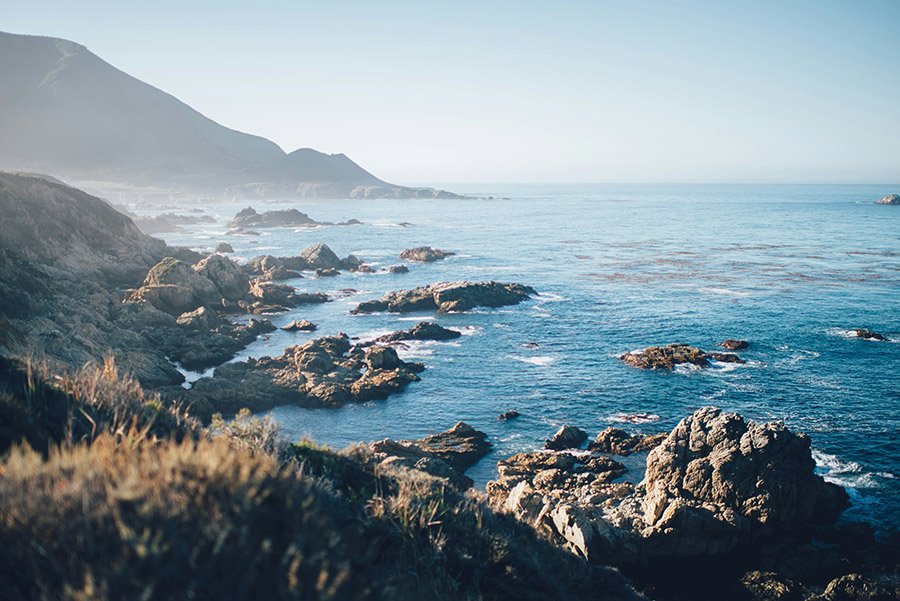
Coasteering is a recreational activity that involves exploring coastal environments by swimming, climbing, jumping and scrambling along rocky shorelines.
Essentially, it’s an adventure activity that allows participants to fully engage with the shoreline and all of its features.
The sport was first developed in Wales during the 1980s and has grown in popularity ever since.
Want to know the cool part?
According to one industry study, the global coasteering market size was $150 million in 2024 and is forecast to grow at a compound annual growth rate (CAGR) of 9% until 2032.
That puts the market at $300 million by the end of the decade and makes coasteering one of the fastest-growing water sports out there.
The unique appeal of the sport is the fact that it can take place in so many different locations around the world.
The challenges change at every location, with tides, wave conditions, temperatures and terrain all varying widely.
You’ll never have the same experience twice.

Essential Gear You’ll Need
Before you start coasteering, you will need to gear up.
A certified instructor or tour operator will provide most of the basic equipment for you.
Here’s a list of the equipment you’re likely to use on a beginner’s tour:
- Wetsuit
- Helmet
- Buoyancy aid
- Old trainers or specialist wetsuit boots with good grip
- Gloves (optional)
Out of all the coasteering equipment, the wetsuit is by far the most important to ensure you have.
The reason? Water temperatures are much cooler than you might imagine. This is even the case in summer months.
Your wetsuit will help keep you warm and prevent shock when you first enter the water.
You can rest easy knowing most coasteering operators include the cost of all equipment in their prices.
Safety Basics Every Beginner Should Know
The most important thing you need to know before you start coasteering is safety.
Safety when coasteering is of utmost importance due to the unpredictable and dynamic nature of the marine environment.
Participants are exposed to risks from waves, tides, rocks and weather conditions.
Here are a few essential safety tips:
- Always participate with a certified instructor or guide
- Never coasteer alone, even if you are an experienced adventurer
- Check tide times and weather conditions in advance
- Know your swimming abilities and do not exceed your limits
- Pay close attention to the guide’s safety briefing
- Understand hand signals used for communication during the activity
The most important rule of coasteering is to never do the activity without a qualified guide or instructor.
Guides and instructors have expert knowledge of the local coastline. They know which areas are safe and which ones are not, they understand the rock formations, and can read changes in the water and weather conditions.
Would you rather learn from someone who has led groups up and down those rocks hundreds of times, or go it alone and play a game of ‘I’m stuck’ in the ocean?
What To Expect On Your First Adventure
Excited for your first coasteering trip? You’re going to have a ball.
Most tours begin with a safety briefing and demonstration from your instructor.
He or she will go over the route and teach you the necessary skills for the terrain you’ll be tackling.
Then, it’s time to get stuck in!
The first part of the tour is usually more gentle rock scrambling to warm up.
You’ll be learning how to position your body, where to place hands and feet and how to assess the rock surface.
After a bit of this, you’ll start swimming!
You’ll be navigating between rocks and scrambling around in the water. Sea caves are also a popular feature of many tours.
For most people, this is when they realize their wetsuits are doing a great job of keeping them warm.
Then comes the part everyone waits for: the jumps.
You’ll start low and work your way up as you gain confidence and ability.
Expect to find some jumps anywhere from 3-10 meters in your first tour, though your instructor will be sure to point out that all jumps are optional.
Here’s a fun fact most people don’t realize…
You will be having so much fun cheering others on you won’t even notice the jumps getting higher.
Top Benefits Of Coasteering
Confused as to why you would even bother with coasteering as an activity?
Sit back and read this:
Physical benefits
Coasteering provides a great workout for the whole body. From paddling and swimming to climbing and jumping, all of the major muscle groups are engaged during the activity.
The sport can help improve cardiovascular fitness, build core and upper body strength and develop balance and coordination.
Mental benefits
Coasteering has also been shown to be good for mental health.
Participants can challenge and overcome fears of heights and water, build confidence and self-esteem, disconnect and de-stress from daily life and enhance focus and decision-making skills.
Bottom line? You will get a fantastic full-body workout that also challenges you mentally.
How To Choose The Right Tour
Let’s be clear:
Not all coasteering experiences are created equal.
Choosing the right operator and tour is essential to getting the most out of your first adventure.
Look for the following:
- Certified and qualified instructors
- Small group sizes (ideally 6-8 people)
- A good safety record and insurance
- Quality equipment in good condition
- Positive reviews from previous customers
Most operators offer beginner, intermediate and advanced tours depending on the skill and experience of the participants.
Beginner tours have shorter jumps, easier climbs and take place in calmer waters.
Advanced tours feature extreme heights and can be more technical and challenging.
Tell the operator if you have any fitness concerns or fears.
You should be honest about your fitness level. A good company will guide you to the most suitable experience rather than selling you something you won’t be able to do.
They should also tailor the experience to the group dynamic to keep everyone engaged.
Bringing It All Together
If coasteering is anything, it is an all-in-one outdoor experience.
The sport offers excitement, challenge, a connection with the elements and personal growth all wrapped up in one fun package.
Adventure sports are more popular than ever before with people all over the world craving new and more unique ways to experience the great outdoors.
Coasteering is a great option that suits all levels of fitness and ability, from beginners to elite athletes.
Here’s what you should take away from this article:
- Select a reputable operator with qualified guides
- Ensure you have the appropriate safety equipment
- Start with an easier beginner’s route
- Follow the guidance of your instructor
- Don’t do anything you are not comfortable with (but push the envelope when possible)
Don’t be afraid to give it a try.
Thousands of first-timers do coasteering every year and fall in love with the sport for life.
The cliffs are calling…
Let’s go.