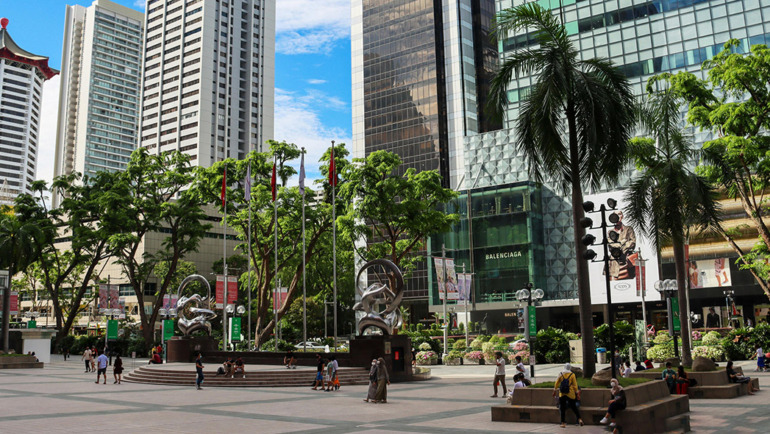
From Postcard to Lived City
Toronto often shows itself through tall towers, shiny waterfront views, and famous landmarks. However, this image tells only part of the story. Beneath the skyline, real life moves through quiet streets, small shops, and everyday routines. Airbnb changes how travelers meet this reality.
Instead of staying only in busy hotel districts, visitors now sleep inside real neighborhoods. As a result, mornings begin with streetcars, bakery smells, and neighbors heading to work. Therefore, Toronto feels less like a checklist and more like a living city.
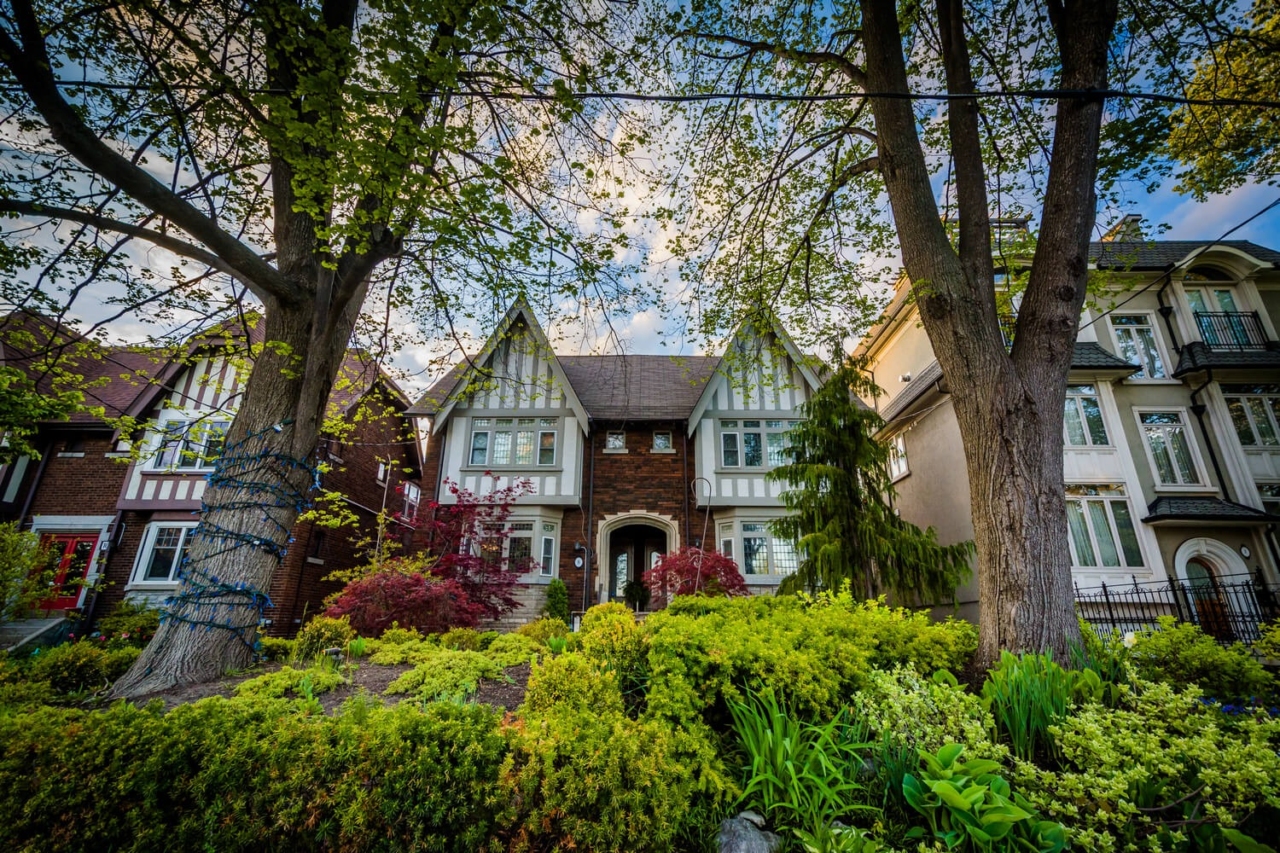
The Invisible Support System
Most guests never see what happens before they arrive. Meanwhile, a Toronto Airbnb property manager works closely with hosts to keep homes running smoothly. They organize cleaning, fix maintenance issues, and ensure listings meet platform standards. They focus on reliable operations behind the scenes.
In addition, their work raises overall quality across many neighborhoods. Therefore, travelers feel safer staying outside the downtown core. When accommodation feels dependable, people explore with greater confidence and curiosity.
Neighborhoods as Doorways to Culture
Airbnb turns neighborhoods into entry points rather than just addresses. In Kensington Market, visitors move through colorful murals, vintage shops, and global food stalls. Likewise, in Greektown, they sit in family cafés that have served the same recipes for decades.
Meanwhile, in Scarborough, travelers encounter Caribbean roti, Sri Lankan hoppers, and Filipino bakeries within short walks. Because guests stay nearby, they return to the same places more than once. As a result, they build familiarity and connect more deeply with local culture.
Slowing the Travel Rhythm
Traditional travel often pushes people to see too much too fast. However, Airbnb naturally encourages a slower pace. Guests near the Beaches can walk along the lake at sunrise before crowds arrive. Meanwhile, those near High Park enjoy cherry blossoms in spring and golden leaves in autumn.
In winter, visitors based in Midtown explore snow-covered ravines minutes from their doorstep. In addition, listings near transit lines make it easy to move without stress. Therefore, travelers shift smoothly between urban life and nature at a comfortable rhythm.
Beyond Guidebooks
Airbnb helps travelers step beyond mainstream tourist paths. Many hosts share tips about weekend farmers markets, neighborhood festivals, or small art shows. Meanwhile, guests discover basement jazz nights, pop-up galleries, and late-night food spots known mainly to residents. Because Airbnb often supports longer stays, visitors have time to follow unexpected leads. Therefore, Toronto reveals itself as a dynamic, evolving city rather than a static destination built only for tourists.
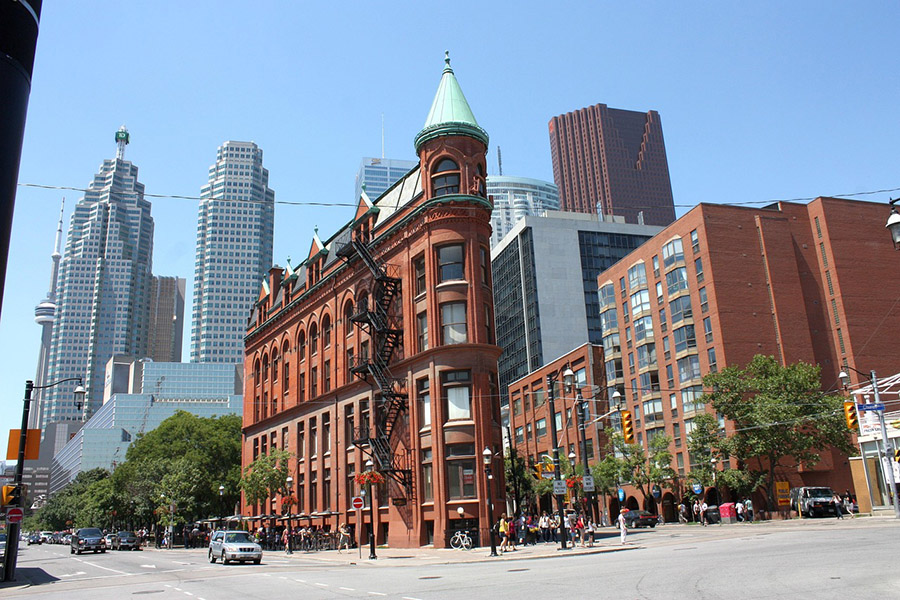
Blending Work and Exploration
Remote work has reshaped how people experience cities. Many Airbnb guests now stay longer and mix work with travel. For example, mornings might start in a quiet café in the Annex or a co-working space in King West. Later, evenings end with a walk along the waterfront or a picnic in Trinity Bellwoods.
Meanwhile, full kitchens let travelers cook with fresh produce from St. Lawrence Market instead of eating out every meal. In addition, comfortable living spaces help them rest after busy days. As a result, Toronto begins to feel like a temporary home.
Moving Like a Local
Where travelers stay also shapes how they get around. Instead of relying only on rideshares, many guests use streetcars, buses, and the subway like residents. For instance, they tap a transit card and ride from Bloor Street to the Danforth while watching neighborhoods change.
Meanwhile, bike lanes along the waterfront encourage visitors to cycle rather than drive. Others choose to walk, discovering murals, small libraries, and hidden parks along the way. Therefore, movement becomes part of the experience, not just a way to reach destinations.
Seeing Toronto from Within
Ultimately, Airbnb reframes how people understand Toronto. Instead of focusing only on tall buildings and famous sites, travelers notice streets, communities, and daily life. Therefore, hidden gems appear not as secrets, but as meaningful places that reward curiosity and patience. In addition, this approach spreads tourism more evenly across the city while giving visitors richer experiences. Overall, Airbnb does more than provide a place to sleep. It invites travelers to walk, listen, taste, and feel Toronto from inside neighborhoods.