What could be better than fishing at dawn or dusk? Probably only night fishing. This activity is quickly gaining popularity on every continent and is becoming a favorite hobby for millions. It offers the opportunity to immerse yourself in a unique atmosphere, experience close contact with wildlife, and, of course, catch a fish.
Compared to daytime fishing, the list of possible trophies at night is shorter. However, this isn’t a serious problem, as even at this time of day, there are plenty of fish to hunt. Below is a tiered list of possible catches and recommendations for harvesting trophies of varying value.
Night fishing features
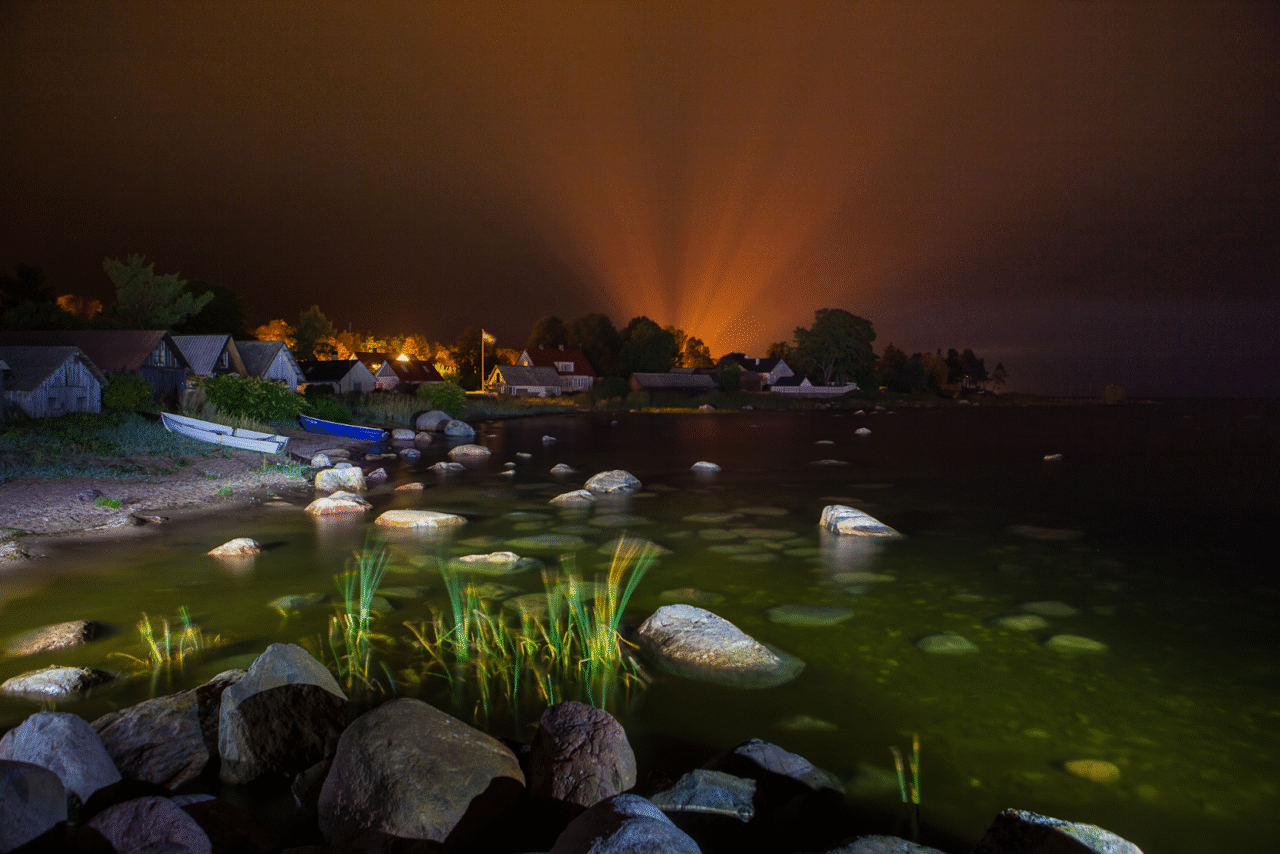
Fishing during the day and at night is an entirely different activity. Each has its own unique characteristics and requires the right choice of tackle, bait, and additional equipment. When night fishing, everyone will need to cope with the darkness. This can be done in a variety of ways, but the most effective is using NV optics. Compact or digital night vision monoculars, binoculars, and goggles will help cope with the lack of light and make fishing as exciting, safe, and productive as possible.
Predator activity is another vital factor. After sunset, these fish begin searching for food, so they swim closer to the shore and respond better to various baits. This is why they are often the primary target of night fishing enthusiasts. Another characteristic is the ability of some fish to see in the dark. Well-developed night vision helps them forage for food, locate mates, and create hiding spots. Because of this ability, night fishing enthusiasts must use special types of tackle that appear natural in the dark.
Any activity at night becomes more dangerous than during the day. Fishing is no exception. In the dark, anglers face a multitude of invisible dangers, which require preparation. This particular aspect of night fishing requires careful consideration of the appropriate night vision equipment, protective gear (life jackets, etc.), and navigation aids, even near poorly lit bodies of water.
A Tier list of possible catches
S-Tier
S-Tiers are the ultimate trophies that all night fishing enthusiasts dream of. These include scarce and large fish species, for which you can truly call yourself lucky if you catch them.
Channel Catfish is one of the top nighttime trophies. This species is found in many bodies of water, and anyone can try to catch it. The largest specimens reach 20-25 kg. Both these and smaller Channel Catfish are active during the warmer months. They prefer holes, snags, and various artificial obstacles, where they can be successfully hunted.
Channel Catfish are predators that should be caught using pieces of fish or birds. Artificial baits can also be used, but they should be as lifelike as possible. Similar steps are required to catch Flathead Catfish. This species is common in many rivers, and the largest specimens reach 40 kg.
Walleye are another valuable trophy for night fishing. Unlike the catfish, it has excellent night vision, making it a challenging opponent even for professionals. The best time to catch this predator is before dawn. Target waters with rocky bottoms and fast currents. This is where the walleye feels most comfortable.
Live bait or realistic artificial lures are used. The Lake Sturgeon is an equally valuable catch. It primarily inhabits large rivers and lakes, selecting areas with significant depth differences. Individuals of this species can grow up to 2 meters in length and weigh up to 35 kg. This predator is best caught using pieces of fish and artificial lures with a suitable scent.
A-Tier
A-Tier trophies are no less valuable. They are also always on the wish list of any night fishing enthusiast and almost always become the star of the event. However, the species in this category are commonly found, so their value is slightly lower than that of S-Tier trophies.
Northern Pike are a favorite among night fishing enthusiasts. This species inhabits primarily cold rivers and lakes, where it prefers shallow areas and small bays. These locations are ideal for Northern Pike to hunt a variety of aquatic creatures. Summer and fall nights are suitable for catching this fish.
Live bait, as well as moving crankbaits and various shiny lures, can be used as bait. American Eel is another popular species. They are mainly active after sunset, but even after several hours, the chances of catching one remain high. American Eel prefer river mouths, where they choose areas near the shore, where they spend much time. They most often bite on worms, shrimp, mussels, and pieces of fish.
The famous smallmouth bass is also a frequent target for night fishing enthusiasts. This species is most active on days when water temperatures are highest. Smallmouth bass should be caught while they are hunting. They do this in areas with slow to moderate currents, where potential prey can be clearly seen.
It’s best to catch this predator with realistic-looking artificial baits. Burbot can also be caught in freshwater. This species is ideal for fishing in cold weather, when catching other fish becomes difficult. Burbot inhabits primarily rocky bottoms in areas of uneven depth. They bite on fish, meat, liver, and live bait.
B-Tier
B-Tier are trophy fish that can be caught every night. They are not very large and are encountered frequently, so they have less value. However, these fish often save the day at night. They bite actively, which means they keep anglers busy.
White bass is a favorite among night fishing enthusiasts. It is active, fast, and readily available in many large, medium, and small bodies of water. This species prefers small bays and areas under bridges. There, it feels comfortable and can spend the entire night. White bass is best caught using live bait. Various small and light artificial lures can also be used.
In the water, they appear as active small fish, which are often eaten by white bass. Common carp are another favorite among anglers. They can be caught day or night, providing maximum enjoyment. This species is most active after midnight, searching for food in small bays and shallow waters. They also prefer deeper areas with dense underwater vegetation. Common carp bite on corn and boilies.
Bluegill is a beautiful fish that will turn even a less-than-successful night fishing into a fun and memorable experience. This species is most active in moonlight, so it’s best to fish for it on a cloudless night. In reservoirs, bluegill seek out weedy areas with a flat bottom. They also often appear in shallow water.
The best way to catch this species is with corn. Yellow perch is another popular nocturnal fish. It is common in rivers, ponds, and lakes, where it prefers areas overgrown with underwater vegetation. In such places, it feels safe, which means it is most active. Yellow perch are best caught using small live bait (such as worms and flies).
C-Tier
C-Tier fish are primarily small trophies. They serve as a backup option in case more valuable fish don’t bite, despite the angler’s best efforts. Catching them becomes a fun nighttime adventure, where quantity, not quality, is the measure of success.
Bullhead is one of the best options. This small fish is most active at night. It inhabits still water, as well as slow-moving rivers and streams. Bullhead prefer weedy areas where they can find food and hide from larger predators.
This species is best caught using worms and small pieces of fish. Black crappie is equally popular with night fishing enthusiasts. This species inhabits clear waters with cool average water temperatures. Live bait is recommended. When using artificial bait, it’s essential to ensure it looks as natural as possible.
American shad is a small but valuable catch. This small fish lives primarily in clean bodies of water with fast and moderate currents. Its nocturnal activity is driven by its desire to reach its spawning grounds quickly. American shad can be caught using natural and artificial baits. In both cases, they must be active in the water.
Creek Chub can also transform a dull night fishing session into a truly enjoyable one. This relatively small fish inhabits streams and rivers with rocky bottoms, snags, and underwater vegetation. Natural baits are best for catching Creek Chub. Worms and insects are the best.
Final Thoughts
Night fishing is a true challenge, where only the most knowledgeable, patient, and lucky anglers will succeed. It offers the opportunity to catch a variety of trophies and enjoy the time spent.
So, the next time you head to one of the lakes after sunset, remember the tier list of possible catches and follow the recommendations in this article. This will increase your chances of landing your dream catch and help you avoid any unpleasant surprises.