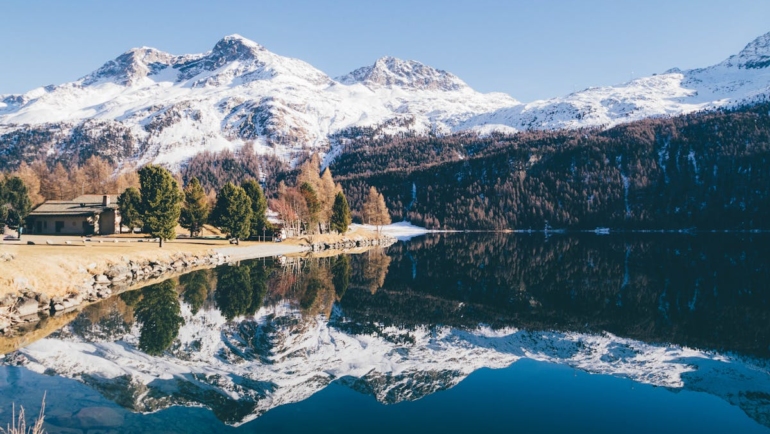
Exploring Canada’s vast west by car remains one of the most freeing ways to experience nature and culture. A road trip across Western Canada connects mountains, prairies, lakes, and vibrant cities through scenic highways and local hospitality.
Whether you start in Vancouver, Calgary, or Edmonton, you can craft an itinerary that suits your pace and curiosity. Each region offers new surprises—from glacier-fed lakes to small-town bakeries that make the drive worthwhile.
Essential Gear to Make Your Road Trip Comfortable and Safe
Before setting off, gather everything you need for safety and comfort. Your road trip essentials include maps, snacks, water, and a reliable first-aid kit. A phone mount, power bank, and emergency tire repair kit ensure smooth travel even on remote roads.
You’ll find many rest stops in British Columbia and Alberta where you can stretch, refuel, and enjoy the view. For long distances, rotate drivers if possible and plan refueling points ahead, as gas stations can be rare in national park areas.
Simplify Long-Distance Travel
Before your vehicle hits the open road, organize your personal belongings at home. If you’re relocating and planning to start fresh in Canada’s western provinces, Miracle Movers, with 25+ years of trusted service, is the perfect choice to transport furniture and valuables safely while you travel light.
Many travelers combine their moving journey with an extended road trip, allowing them to explore while transitioning into a new home. With professionals handling logistics, you can focus on the experience instead of worrying about boxes and delivery schedules.
Mapping the Perfect Route
Your route defines the tone of the trip. Some travelers drive from Vancouver to Banff, enjoying the Sea-to-Sky Highway and the Trans-Canada Highway through the Rockies.
Others prefer the less-crowded drive north through Jasper toward Prince George, ending near Alaska. Consider combining both for a circular adventure that includes major highlights. Always check weather and park updates, as mountain conditions shift quickly and may require tire chains or delays.
Choosing the Right Vehicle
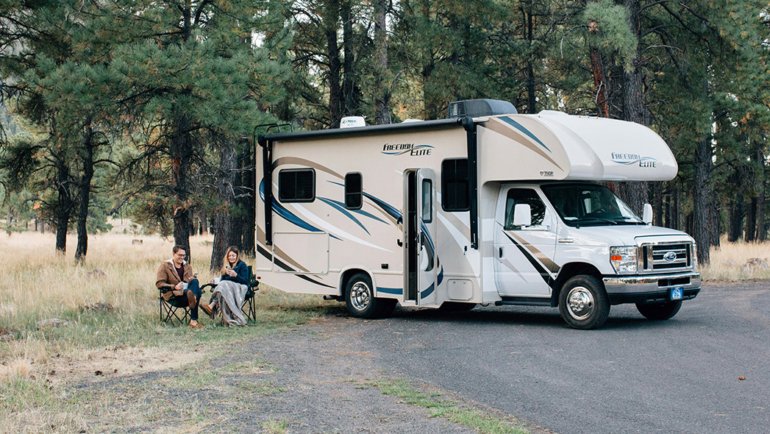
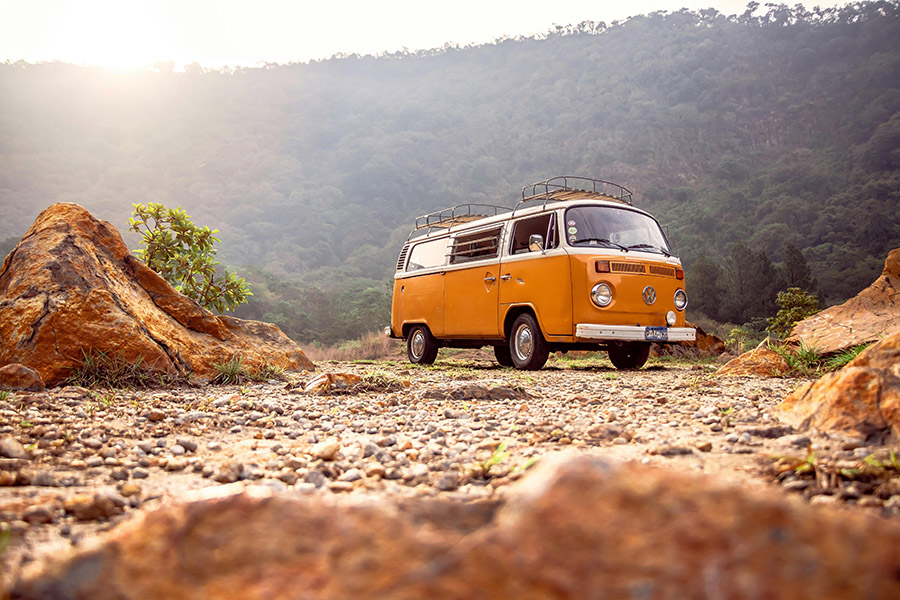
Your car choice can make or break your comfort. SUVs and campers offer more storage and flexibility, while compact cars handle mountain curves efficiently. If you plan to camp, roof racks help carry gear without sacrificing space inside.
Before departure, schedule a mechanical inspection to check brakes, tires, and oil. Western Canada’s terrain includes steep grades and unpredictable weather, so reliable performance ensures safety and peace of mind.
Wild Encounters
A few moments compared to spotting the beaver, the symbol of Canadian identity. During your trip, you may encounter one while camping or near a quiet lake. Meet the national animal of Canada as you explore riversides in British Columbia or northern Alberta.
Early morning and dusk are the best times to see them building dams or swimming in calm waters. Observing local wildlife like elk, bears, and moose adds depth to your journey, reminding you why environmental respect matters on every trip.
Finding Scenic Stops Along the Way
Each province offers memorable detours. Alberta’s Icefields Parkway connects Banff and Jasper through one of the world’s most photogenic routes. Along the way, glaciers, waterfalls, and wooded roads lined with evergreens invite peaceful breaks. Saskatchewan rewards travelers with golden wheat fields and broad skies, perfect for photography. Spending extra time in small towns gives you a glimpse into authentic Canadian hospitality.
Local Food Experiences Worth the Stop
Canadian cuisine reflects its regional ingredients. Along your road trip across Western Canada, try Nanaimo bars in coastal towns, wild salmon in British Columbia, and bison burgers in Alberta. Prairie diners often serve fresh pies and locally brewed coffee. Visit farmers’ markets to taste honey, maple syrup, and cheeses unique to each area. Food stops are more than fuel—they’re a cultural window into rural life.
Affordable Road Trip Across Western Canada
Exploring Canada on a budget requires smart planning. Opt for public campgrounds or affordable motels over luxury hotels. Many national parks offer affordable passes that cover multiple destinations.
Prepare meals in camp kitchens or portable stoves to cut dining costs. Traveling with friends helps divide fuel and accommodation expenses. Remember, the true value lies in the experience, not the expense. Even a modest plan delivers incredible memories across Western Canada’s diverse routes.
Capturing the Memories
Photography enhances your connection with your surroundings. Keep a camera handy for morning fog over the Rockies or sunset reflections on Lake Louise. Many travelers also record short clips to document their progress and share online. Back up photos regularly in case of lost or damaged devices. If you prefer journaling, note your favorite campsites, friendly locals, or funny incidents. These details make revisiting your adventure more personal.
Respecting Nature and Local Communities
Driving across such large natural areas comes with responsibility. Dispose of waste properly, avoid feeding wildlife, and support eco-conscious businesses. Communities along your path rely on respectful tourism.
Follow park rules and campfire restrictions during dry seasons. Many Indigenous territories welcome respectful visitors who want to learn about their traditions—consider guided tours or cultural centers to gain a deeper understanding of local heritage.
Weather and Timing Tips
Summer offers long daylight hours, making it ideal for extended drives and outdoor activities. However, shoulder seasons—late spring or early fall—bring quieter roads and lower prices.
Pack layers for fluctuating temperatures, especially in the Rockies, where conditions change quickly. Winter road trips require snow tires and chains, but also reward you with views of frosted peaks and fewer crowds. Always check forecasts before crossing mountain passes.
Creating a Flexible Itinerary
Plans help, but spontaneity keeps your road trip across Western Canada exciting. Leave space for unexpected discoveries—a hidden trail, local fair, or roadside art display. Overplanning can cause stress, while flexibility turns small surprises into highlights. Use travel apps for navigation, but stay open to detours recommended by locals. Sometimes the best parts of a trip are unplanned moments far from your original route.
The Lasting Joy of the Open Road
A road trip across Western Canada remains one of the most memorable adventures you can experience. It combines freedom, discovery, and the chance to connect with people and places that stay with you long after the drive ends.
Whether you travel for a week or a month, each mile offers something new—a stretch of forest, a friendly chat at a diner, or a peaceful night under starlit skies. Planning carefully yet staying open to change ensures that your journey is both smooth and unforgettable. The open road across Canada waits for you to begin.